Contents
- 0.1 Combining prayer and meditation can significantly enhance inner peace by creating a balanced spiritual practice. Key steps include understanding the differences between the two, establishing a supportive environment, and choosing the right timing for each session.
- 0.2 Incorporating gratitude and regularly assessing your progress can lead to greater self-awareness and personal growth. Embrace the journey with flexibility, trusting that both practices will guide you toward a more tranquil and fulfilling life.
- 1 Understanding the Difference Between Prayer and Meditation
- 2 Setting the Right Environment for Practice
- 3 How to Blend Prayer with Meditation Techniques
- 4 Finding the Right Timing for Your Practice
- 5 Incorporating Gratitude into Your Routine
- 6 Evaluating Your Journey Towards Inner Peace
- 7 Conclusion
- 8 FAQ – Prayer and Meditation for Inner Peace
- 8.1 What is the difference between prayer and meditation?
- 8.2 How can I set up the right environment for my practice?
- 8.3 What are some effective ways to blend prayer with meditation techniques?
- 8.4 Is there a specific time that is best for prayer and meditation?
- 8.5 How can I incorporate gratitude into my prayer and meditation routine?
- 8.6 How do I evaluate my journey towards inner peace?
Combining prayer and meditation can significantly enhance inner peace by creating a balanced spiritual practice. Key steps include understanding the differences between the two, establishing a supportive environment, and choosing the right timing for each session.
Incorporating gratitude and regularly assessing your progress can lead to greater self-awareness and personal growth. Embrace the journey with flexibility, trusting that both practices will guide you toward a more tranquil and fulfilling life.
Are you searching for a way to bring more inner peace into your life? You’re not alone. Many people find that combining prayer and meditation can lead to profound tranquility and balance.
By merging these two spiritual practices, you can create a deeper connection with yourself and the universe around you.
In this guide, we’ll explore how to effectively blend prayer with meditation, helping you cultivate a serene mind and a focused spirit.
Understanding the Difference Between Prayer and Meditation
When it comes to finding inner peace, both prayer and meditation are powerful tools, but they serve different purposes and involve different practices. Understanding these differences can help you utilize each one effectively.
Prayer is often viewed as a conversation with a higher power. It can be a way to express gratitude, seek guidance, or ask for help in times of distress. Many people feel comforted by the act of speaking to a divine presence, believing that they are being listened to and supported.
On the flip side, meditation typically involves a focus on calming the mind and attaining a state of deep relaxation or awareness. It often emphasizes techniques such as breath control, visualization, or mindfulness to quiet the mental chatter and tune into the present moment.
So, while prayer is more about reaching out and connecting with the divine, meditation is about turning inward and finding stillness within yourself. Both practices can complement each other beautifully, bridging the gap between the divine and the self, as you work towards achieving greater inner peace.
Setting the Right Environment for Practice
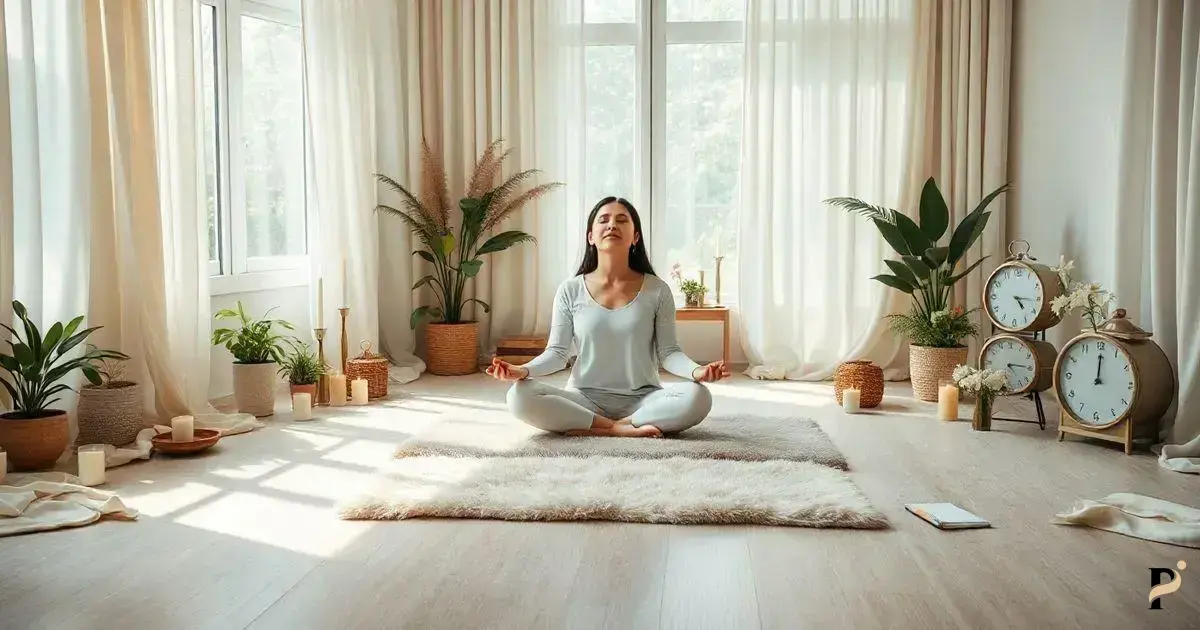
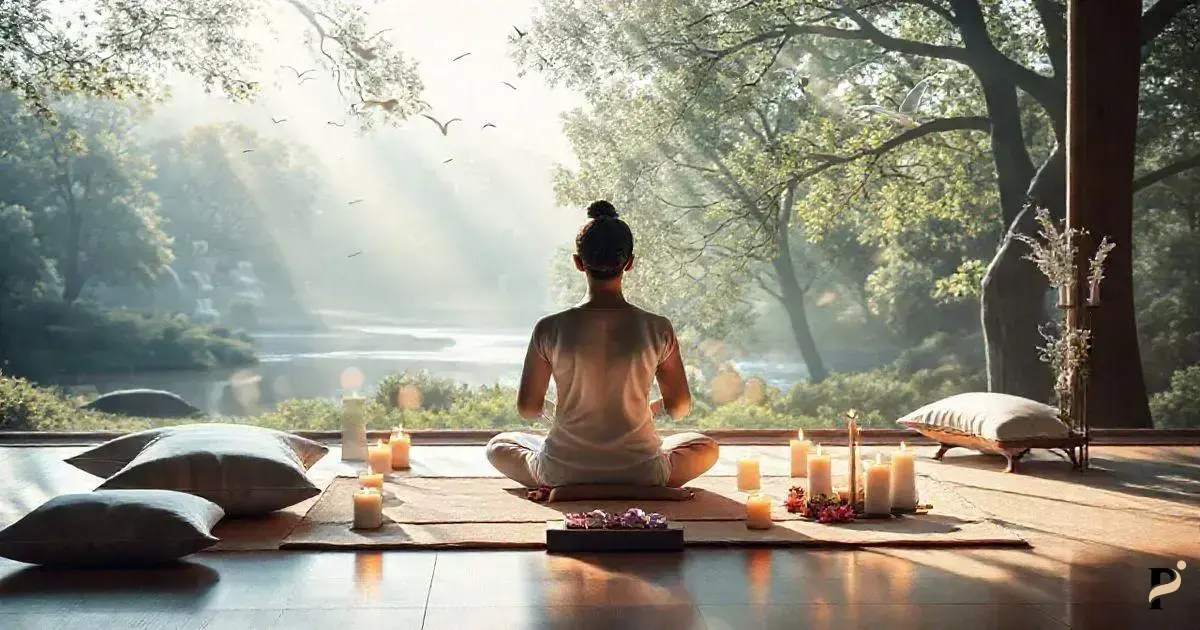
Creating the right environment for your practice is essential in order to fully immerse yourself in both prayer and meditation. The space you choose can significantly influence your ability to focus and connect with your inner self. Here are some key tips to help you set up your ideal practice environment:
1. Choose a Quiet Space: Ideally, find a spot where you won’t be interrupted. It could be a corner of your home, a garden, or even a peaceful park. A quiet environment minimizes distractions and allows you to enter a meditative state more easily.
2. Use Comfortable Seating: Whether you prefer sitting on a cushion, a chair, or the floor, make sure your seating is comfortable. You want to be able to maintain your posture without discomfort, which will help you focus better.
3. Incorporate Calming Elements: Think about adding candles, soft lighting, or incense to create a serene ambiance. Soft scents or gentle lighting can soothe your mind and set a cozy atmosphere for both prayer and meditation.
4. Personal Touches: Consider personalizing your space with items that resonate with you—like spiritual symbols, photos of loved ones, or meaningful quotes. Surrounding yourself with elements that inspire you can deepen your connection during your practice.
5. Eliminate Clutter: A clean space promotes clarity of mind. Take some time to declutter your area, removing anything that may pull your attention away from the practice. A tidy environment fosters tranquility and focus.
By taking these steps to create an inviting and peaceful environment, you set the stage for a more profound experience in your journey to combine prayer and meditation effectively.
How to Blend Prayer with Meditation Techniques
Blending prayer with meditation techniques can create a rich, fulfilling practice that nurtures your spiritual growth and enhances your journey towards inner peace. Here’s how you can effectively combine the two:
1. Begin with Intentions: Start each session by setting clear intentions. You might say a prayer that outlines what you hope to achieve during your practice, whether it’s seeking peace, clarity, or emotional healing. This intention lays a foundation that can guide your meditation.
2. Incorporate Affirmative Prayer: Use affirmative prayers that align with meditation. For example, you might silently repeat a positive affirmation or prayer as a mantra while focusing on your breath. This technique deepens both your meditation and connection to your prayers.
3. Visualization in Prayer: When praying, visualize what you are asking for as if it has already been realized. This meditation aspect aligns your thoughts and emotions, helping to manifest your intentions powerfully.
4. Focus on Breath: Use your breath to transition between prayer and meditation. Start with deep, intentional breaths while praying, then move into a meditation focused on the sensation of breath. This creates a seamless flow between the two practices.
5. End with Gratitude: Conclude your practice by expressing gratitude. After meditating, take a moment to thank whatever higher power you believe in for the moments of peace and insight you experienced. Gratitude helps cement your experiences and brings closure to your practice.
By intentionally blending these techniques, you can create a holistic approach that nurtures both your spiritual and emotional well-being. It’s all about finding a rhythm that resonates with you!
Finding the Right Timing for Your Practice
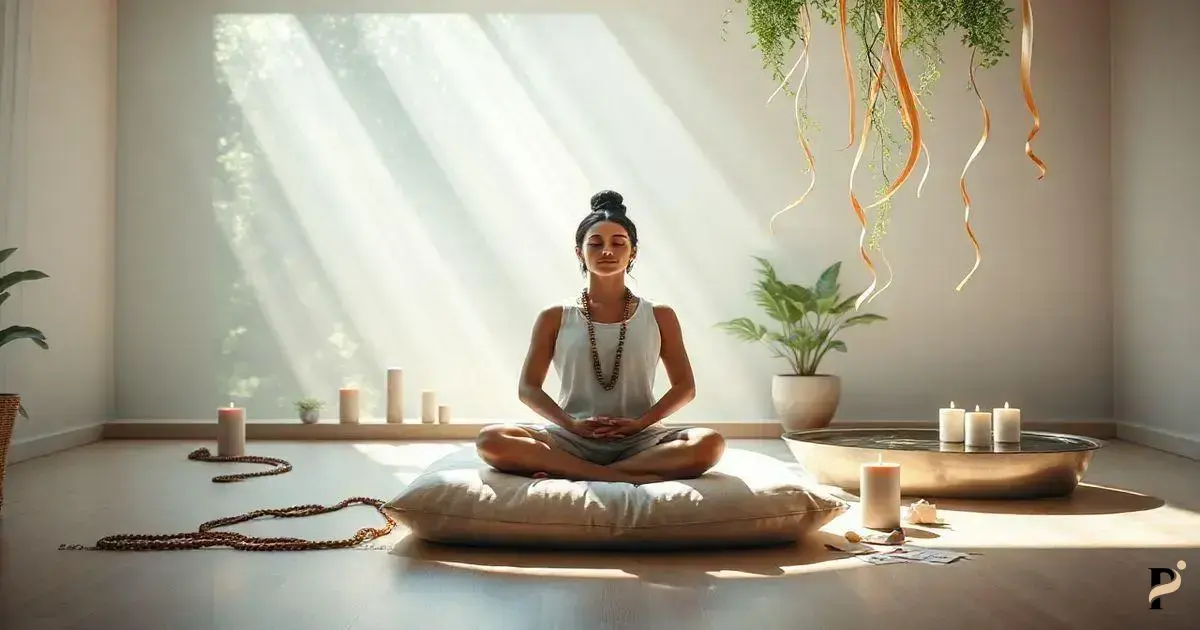
Finding the right timing for your prayer and meditation practice is crucial for consistency and effectiveness. The ideal time can vary from person to person, but here are some tips to help you discover what works best for you:
1. Morning Rituals: Many people find that practicing in the morning sets a positive tone for the day. The quiet hours of the morning offer a calm atmosphere, allowing you to start your day grounded and focused. Just a few minutes of prayer and meditation can make a world of difference.
2. Midday Breaks: If mornings aren’t ideal for you, consider incorporating prayer and meditation into your lunch break or any midday pause. Taking a few minutes to step away from your routine can refresh your mind and spirit, helping you reset for the rest of the day.
3. Evening Reflections: Evening can also be a great time to practice. Reflecting on your day through prayer can provide closure, while meditation helps to release any stress or tension accumulated throughout the day. This timing can create a peaceful transition into your nighttime routine.
4. Consistency is Key: Regardless of when you choose to practice, aiming for consistency is essential. Designate specific times in your schedule as sacred moments for prayer and meditation. This reinforces the habit and helps you become more attuned to your practice.
5. Follow Your Intuition: Lastly, listen to your body and intuition. Sometimes, a strong feeling may guide you to pause for a moment of prayer or meditation at unexpected times. Trusting your instincts can lead to profound experiences.
Ultimately, the best time to blend prayer and meditation is the time that feels right for you. Experiment with different times and stay open to what resonates, allowing your practice to evolve with your lifestyle.
Incorporating Gratitude into Your Routine
Incorporating gratitude into your prayer and meditation routine can elevate your experience and help cultivate a greater sense of inner peace. Here’s how you can seamlessly weave gratitude into your practices:
1. Start and End with Gratitude: Begin your prayer or meditation session by expressing gratitude for the present moment and the opportunity to engage in these practices. Likewise, end your session with a moment of thanks, acknowledging the peace and insights you’ve received.
2. Keep a Gratitude Journal: Consider maintaining a gratitude journal where you jot down things you are thankful for each day. Before starting your practice, take a moment to reflect on these notes. This not only centers your thoughts but also enhances your overall sense of appreciation.
3. Integrate Gratitude Affirmations: Use gratitude affirmations during your meditation. Phrases like “I am grateful for my blessings” or “I appreciate the love in my life” serve as powerful reminders of positivity as you focus on your breath or chosen meditation technique.
4. Visualize Gratitude: During meditation, visualize the people, experiences, or things you are thankful for. Picture their presence vividly in your mind, allowing feelings of warmth and appreciation to fill your heart.
5. Share Your Gratitude: After your practice, consider sharing what you’re grateful for with others—be it in conversation, through social media, or even in a heartfelt note. Sharing your gratitude can strengthen your connections and inspire those around you.
By making gratitude a central theme in your prayer and meditation practices, you’ll not only deepen your connection with yourself and the universe but also enhance your overall well-being. Remember, a grateful heart fosters peace and joy!
Evaluating Your Journey Towards Inner Peace
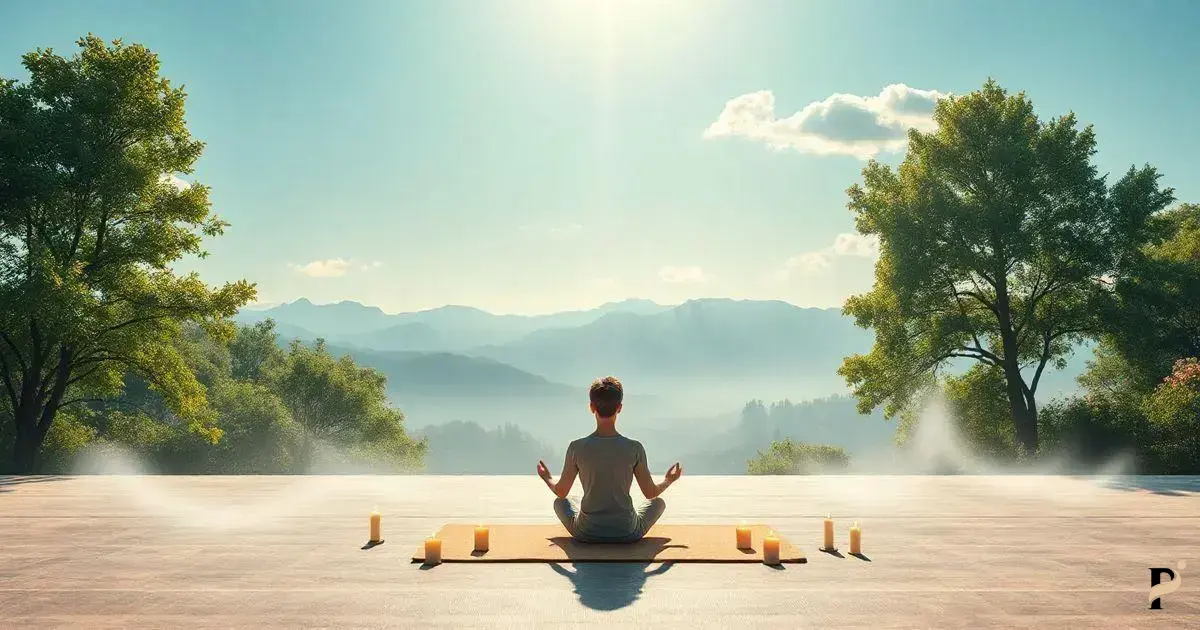
As you embark on your journey of combining prayer and meditation for inner peace, it’s important to regularly evaluate your progress. Assessing your journey allows you to understand your growth, identify areas for improvement, and celebrate your victories. Here are some strategies to help you evaluate your path:
1. Reflect on Your Feelings: Take time to check in with your emotions. Ask yourself how you feel after your prayer and meditation sessions. Are you experiencing more calmness, clarity, or connection? Noting these feelings can help you gauge the effectiveness of your practices.
2. Set Milestones: Establish specific milestones for your practice. These could include daily or weekly goals, like practicing a certain number of times or achieving a specific level of focus. Reviewing these milestones can provide a tangible way to measure your progress.
3. Journaling Your Experiences: Keep a dedicated journal where you document your insights, challenges, and transformations. Writing about your experiences can help clarify your thoughts and serve as a reference to look back on over time, allowing you to see how far you’ve come.
4. Seek Feedback: Don’t hesitate to engage with a community or find a trusted mentor for feedback. Sharing your journey can give you new perspectives and valuable insights into your practices.
5. Adjust and Adapt: Remember, your journey is unique to you. If something isn’t resonating or bringing you peace, it’s okay to adjust your approach. Experiment with different techniques, times, or environments until you find what works best for your growth.
Evaluating your journey towards inner peace is not just about measuring success but also about embracing the process. By being mindful of your development, you can cultivate a more enriching and fulfilling practice.
Conclusion
Combining prayer and meditation can be a transformative practice that leads to profound inner peace.
By understanding the differences between these two spiritual tools, creating the right environment, and finding the right timing for your practice, you set a strong foundation for your journey.
Incorporating elements like gratitude and regularly evaluating your progress further enhances this process.
Ultimately, the key is to remain open, patient, and responsive to what feels right for you.
Each practice is a step on your path to deeper self-discovery and tranquility.
Embrace the journey, celebrate your milestones, and trust that both prayer and meditation can guide you toward a more peaceful and fulfilled life.
FAQ – Prayer and Meditation for Inner Peace
What is the difference between prayer and meditation?
Prayer is often considered a conversation with a higher power, while meditation focuses on calming the mind and achieving deep relaxation.
How can I set up the right environment for my practice?
Choose a quiet space, use comfortable seating, incorporate calming elements like candles or incense, and eliminate clutter for a peaceful environment.
What are some effective ways to blend prayer with meditation techniques?
You can begin with intentions, incorporate affirmations, use visualization, and focus on your breath to seamlessly blend both practices.
Is there a specific time that is best for prayer and meditation?
The best time varies for each person but many find success in practicing in the morning, midday, or evening. Consistency is key.
How can I incorporate gratitude into my prayer and meditation routine?
Start and end your sessions with gratitude, keep a gratitude journal, use gratitude affirmations, and visualize what you are thankful for.
How do I evaluate my journey towards inner peace?
Reflect on your feelings, set milestones, maintain a journal, seek feedback, and be willing to adjust your practices as needed.