Contents
- 0.1 Incorporating creative prayer challenges into your spiritual journey can enhance your connection with God through practices like artistic prayer, nature walks, scripture meditation, prayer journaling, community prayer, and daily gratitude.
- 0.2 These activities encourage diverse engagement with your faith, fostering a heart of thankfulness and strengthening your relationship with the Creator, ultimately leading to spiritual growth and transformation.
- 1 Artistic Prayer: Expressing Worship through Creativity
- 2 Nature Walks: Connecting with God in His Creation
- 3 Scripture Meditation: Journaling Your Thoughts and Prayers
- 4 Prayer Journaling: Documenting Your Spiritual Journey
- 5 Community Prayer: Engaging with Others in Faith
- 6 Daily Gratitude Challenge: Fostering a Heart of Thankfulness
- 7 Conclusion
- 8 FAQ – Common Questions About Creative Prayer Challenges
- 8.1 What is artistic prayer, and how can it enhance my worship?
- 8.2 How can nature walks be a form of prayer?
- 8.3 What is the purpose of scripture meditation when journaling?
- 8.4 Why is community prayer important?
- 8.5 What benefits does a daily gratitude challenge provide?
- 8.6 How can I start incorporating these practices into my routine?
Incorporating creative prayer challenges into your spiritual journey can enhance your connection with God through practices like artistic prayer, nature walks, scripture meditation, prayer journaling, community prayer, and daily gratitude.
These activities encourage diverse engagement with your faith, fostering a heart of thankfulness and strengthening your relationship with the Creator, ultimately leading to spiritual growth and transformation.
Are you looking to enhance your spiritual journey and strengthen your relationship with God? Creative prayer challenges offer a fresh and exciting way to deepen your connection and invigorate your prayer life.
With these unique approaches, you can step beyond the traditional methods and explore new dimensions of communication with your Creator.
In this post, we’ll uncover six imaginative prayer challenges that can help you grow closer to God and develop a more intimate prayer life.
From engaging in artistic expressions of worship to immersing yourself in nature, each challenge is designed to enrich your spiritual practice and inspire a more profound connection with your faith.
Artistic Prayer: Expressing Worship through Creativity
Artistic prayer is a beautiful way to worship and connect with God through creativity. It allows you to express your spirituality not just with words but through various forms of art, helping you dive deeper into your relationship with the Creator.
Whether you’re painting, drawing, writing poetry, or even crafting something special, the act of creating can serve as a form of prayer. Here are some ideas to get you started:
- Painting or Drawing: Set aside time to create a piece of art that reflects your feelings or thoughts about God. As you paint or draw, use the process as a meditation, focusing on your emotions and inviting God into your creative space.
- Prayer Collage: Gather images, words, and symbols that represent your faith and your prayers. Use these materials to create a collage that resonates with you spiritually. Display it somewhere where you can see it regularly to remind you of your connection with God.
- Songwriting: If music is your passion, consider writing a song as a form of prayer. Let the lyrics express your heart’s desires, your gratitude, or your struggles. Sharing your song with others can also bless and inspire them.
- Dance: For those who feel moved by movement, consider using dance as a way to worship. Let your body express your devotion and your connection with God. Whether it’s in your living room or at a church gathering, dancing can be a powerful form of prayer.
- Photography: Capture the beauty of God’s creation through photography. Spend a day taking pictures in nature, and reflect on how each image speaks to you. Consider creating a photo book that includes captions of prayers or scripture alongside your images.
- Creative Writing: Write prayers, letters to God, or spiritual reflections as a way to pour out your heart. These written expressions can become a form of artistic prayer, allowing you to articulate your thoughts and feelings in a meaningful way.
Remember, artistic prayer is not about your artistic skill but about your heart’s intention. Allow yourself the freedom to create without self-judgment. It’s a personal journey that can inspire you to worship God in fresh, impactful ways.
Nature Walks: Connecting with God in His Creation
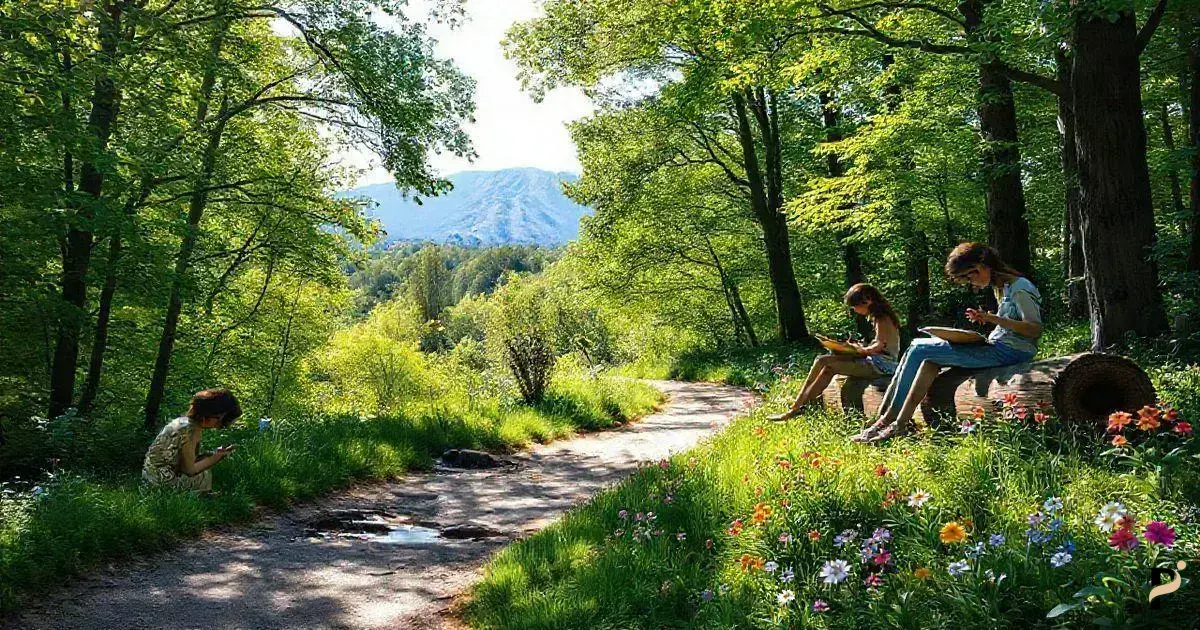
Nature walks offer a wonderful opportunity to connect with God while immersing yourself in the beauty of His creation. There’s something profoundly spiritual about being outdoors, surrounded by the sights and sounds of nature. During these walks, you can experience God’s presence in a unique way that can deepen your connection with Him.
Here are some suggestions for making the most of your nature walks as a form of prayer:
- Mindfulness in Nature: As you walk, take a moment to pause and fully absorb your surroundings. Notice the colors of the leaves, the rhythm of the wind, or the sound of birdsong. Let these sensations draw you into a peaceful state of prayer and reflection.
- Prayerful Reflection: Use your walk as a time to talk to God. Share your thoughts, worries, and praises as you stroll. You could even choose specific themes for each walk, such as gratitude, seeking guidance, or reflecting on a Bible verse.
- Creation Journal: Bring a small journal along with you and jot down any thoughts or inspirations that come to you while you’re outside. This could include observations about nature, spiritual reflections, or prayers you feel led to express. Over time, you’ll have a unique collection of insights gained during your walks.
- Scripture Walking: Choose specific scriptures that speak about nature or God’s creation, such as Psalm 19:1 or Job 12:7-10. Meditate on these verses as you walk, allowing them to resonate within you. You may even want to memorize them as you reflect on God’s greatness.
- Intentional Focus: Set a specific intention for each walk, like praying for a friend in need or reflecting on a particular situation in your life. This focused approach helps redirect your thoughts and strengthens the purpose of your time spent outdoors.
- Gratitude Walk: Take a walk with the sole purpose of expressing gratitude to God. Acknowledge the beauty you see around you—everything from the smallest flower to the grandest mountain. Thank Him for the wonders of His creation and how they enrich your life.
Remember that the purpose of your nature walk isn’t just exercise; it’s about cultivating a deeper relationship with God. Allow the splendor of creation to inspire your prayers and fill your heart with awe and appreciation for the Creator.
Scripture Meditation: Journaling Your Thoughts and Prayers
Scripture meditation is a powerful way to deepen your understanding of God’s word and connect with Him through your thoughts and prayers. By journaling your reflections, you can bring clarity to your spiritual journey and foster a deeper relationship with God.
Here are some practical tips for integrating scripture meditation into your journaling practice:
- Select Your Passages: Begin by choosing a specific Bible verse or passage that resonates with you. It could be a verse that speaks to your current situation or one that you feel God is highlighting in your life. Take the time to read it thoughtfully and consider its meaning.
- Reflect on the Text: Spend a few moments meditating on the chosen scripture. Ask yourself questions like: What is God saying through this passage? How does it apply to my life? What emotions or thoughts does it bring up in me? Allow these reflections to shape your understanding and connection with the text.
- Journaling Your Insights: Write down your reflections in a journal. You can start with the passage itself, then list your thoughts, feelings, and questions that arise from it. Don’t hesitate to pour out your heart—this is a safe space for honesty and exploration.
- Incorporate Prayer: As you journal, transition into prayer. Use your insights as a guide for what you want to talk to God about. This might include thanking Him for His promises, seeking guidance, or asking for help in a specific area of your life. Write down your prayers alongside your reflections to create a comprehensive dialogue with God.
- Set a Regular Schedule: Create a routine for your scripture meditation and journaling. Whether it’s daily or a few times a week, find a time that works for you. Consistency helps you cultivate a deeper relationship with God and allows for ongoing growth in your spiritual life.
- Review and Reflect: Periodically go back and review your journal entries. This can help you see patterns in your prayer life, how God has answered your prayers, and how you’ve grown over time. Reflection encourages gratitude and helps reinforce the lessons learned through your meditation.
Scripture meditation combined with journaling is a transformative practice that not only enhances your understanding of the Word but also deepens your prayer life. Allow this beautiful process to draw you closer to God’s heart as you explore your thoughts and prayers in the context of His truth.
Prayer Journaling: Documenting Your Spiritual Journey
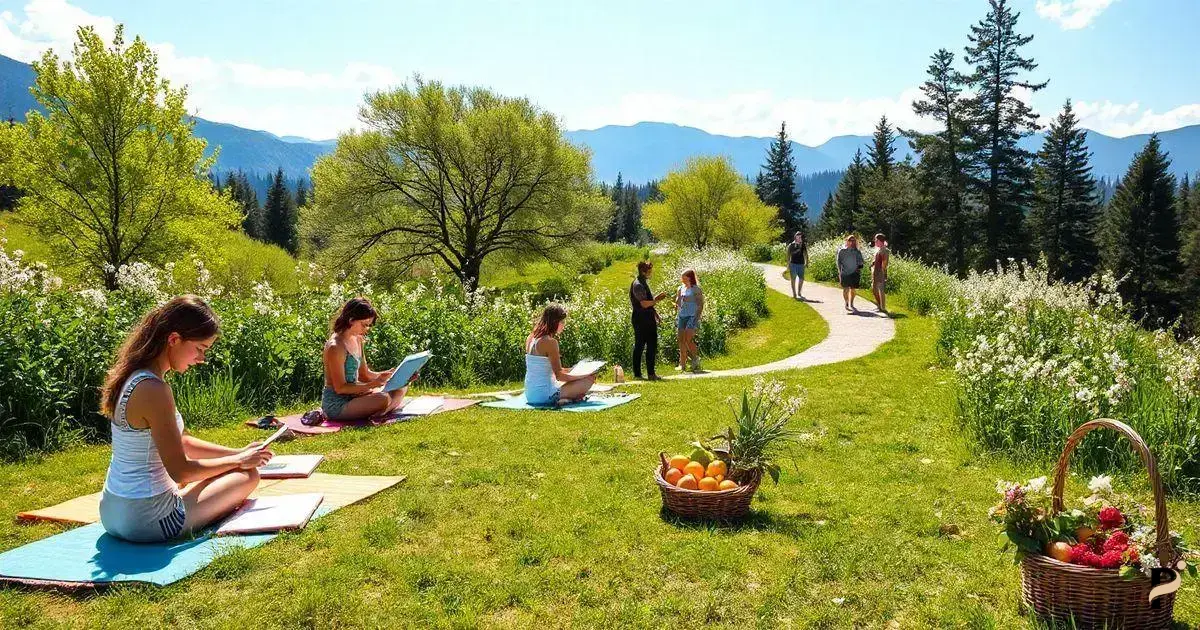
Prayer journaling is a meaningful practice that allows you to document your spiritual journey and track your growth in faith. It serves as a personal space where you can express your thoughts, feelings, and experiences as you deepen your relationship with God.
Here are some helpful tips for creating an impactful prayer journal:
- Choose Your Journal: Select a journal that resonates with you. It could be a beautifully bound book, a simple spiral notebook, or even a digital platform. The key is to choose something that feels inviting and encourages you to write.
- Set Aside Time: Carve out a regular time in your schedule for prayer journaling. Whether it’s first thing in the morning, during your lunch break, or before bedtime, consistency will help you develop this valuable habit.
- Start with Gratitude: Begin each session by listing things you are grateful for. This practice helps set a positive tone and draws your attention to God’s blessings in your life. Gratitude can inspire your prayers and deepen your appreciation for His goodness.
- Document Your Prayers: Write down your prayers in your journal. This could include requests, confessions, or praises. By putting your thoughts on paper, you create a personal record of your conversations with God, making it easier to refer back and recognize His responses.
- Include Scripture: Incorporate Bible verses that speak to your heart into your journaling. Reflect on how these verses relate to your life, and write down any insights or revelations you receive while meditating on them.
- Track Your Spiritual Growth: Use your journal to document milestones in your faith journey. This could be moments of breakthrough, new understandings of scripture, or significant prayers that have been answered. Reflecting on your growth helps you see God’s hand at work in your life.
- Reflect and Review: Periodically go back through your journal entries. This reflection can reveal patterns in your prayers and the ways God has intervened. It also serves as a reminder of His faithfulness during difficult times and encourages you to keep moving forward in faith.
Prayer journaling is not just a task; it’s a tool that fosters a deeper connection with God. As you document your journey, you will find comfort, clarity, and encouragement along the way. Embrace this practice as a way to grow in your faith and witness God’s transformative work in your life.
Community Prayer: Engaging with Others in Faith
Community prayer is a beautiful way to engage with others in faith and create a supportive network of believers. When you pray with others, you not only strengthen your own faith but also foster a sense of unity and shared purpose within the community.
Here are some ideas for incorporating community prayer into your spiritual practice:
- Join a Prayer Group: Look for local prayer groups or Bible studies in your church or community. These gatherings can provide a structured time for prayer, allowing you to connect with others and share your concerns and joys.
- Organize Prayer Events: Consider organizing prayer events, such as a prayer walk or a dedicated evening of prayer at your church. Inviting others to participate fosters a sense of togetherness and encourages collective spiritual growth.
- Prayer Chains: Form a prayer chain with friends or family members. Each person can commit to praying for specific needs or concerns at designated times. This ensures ongoing prayer support and creates a web of intercession for one another.
- Share Prayer Requests: Create a space for sharing prayer requests within your community. This could be a physical board at church, a chat group, or an online forum. When needs are shared openly, the community can rally together in prayer, amplifying the support each person receives.
- Engage in Corporate Worship: Participate in corporate worship services where prayer is integrated into the gathering. The collective voice of many believers praying together creates an atmosphere of faith and expectation, helping everyone feel supported and uplifted.
- Accountability Partners: Find a prayer partner within your community who you can meet regularly to share your lives, pray for each other, and hold each other accountable in your spiritual journeys. This intimate setting allows for deep connection and understanding.
Community prayer is much more than just a series of words spoken together; it is a powerful way to build relationships and strengthen faith. As you engage with others in prayer, you’ll find encouragement, support, and a deeper sense of belonging in your spiritual journey.
Daily Gratitude Challenge: Fostering a Heart of Thankfulness
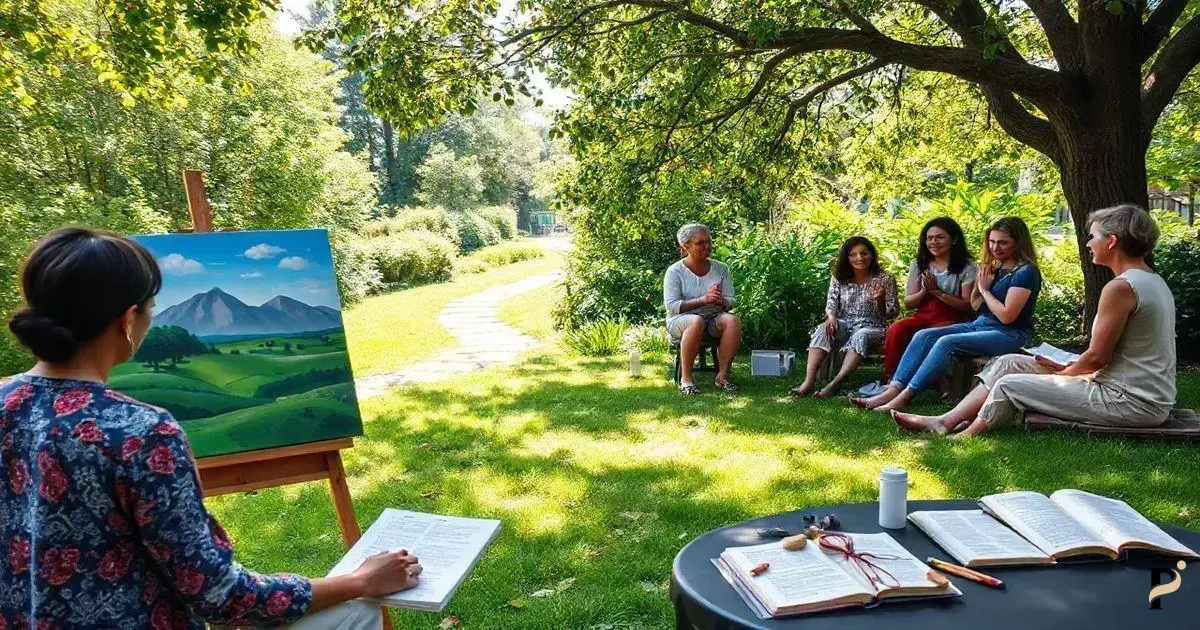
The Daily Gratitude Challenge is a meaningful practice that encourages you to cultivate a heart of thankfulness. By intentionally recognizing and expressing gratitude each day, you can transform your perspective and deepen your connection with God.
Here are some practical steps to start your Daily Gratitude Challenge:
- Set a Daily Reminder: Choose a specific time each day to focus on gratitude. This could be in the morning to begin your day with positivity, or at night to reflect on the blessings you experienced. Setting a reminder helps establish this habit.
- Keep a Gratitude Journal: Dedicate a journal specifically for documenting things you’re thankful for. Each day, write down three to five things that bring you joy or comfort. This practice not only helps you reflect but also provides a positive record to look back on later.
- Practice Mindful Reflection: Throughout your day, take moments to pause and reflect on the good things happening around you. It could be as simple as enjoying a warm cup of coffee or a friendly conversation. This awareness helps you appreciate even the smallest blessings.
- Express Gratitude to Others: Don’t just keep your gratitude to yourself! Share your appreciation with those around you. Write thank-you notes, send encouraging texts, or verbalize your thanks. Not only does this strengthen your relationships, but it also fosters a culture of gratitude in your community.
- Incorporate Scripture: Find Bible verses that emphasize gratitude, such as 1 Thessalonians 5:18 or Psalm 100:4. Meditate on these verses and incorporate them into your daily reflections. This connection with scripture can enhance your awareness of God’s blessings in your life.
- Review Your Gratitude: At the end of each week or month, take time to look back through your gratitude journal. Reflect on the abundance of blessings you may have overlooked and consider how God has been faithful throughout the days.
The Daily Gratitude Challenge helps foster a heart of thankfulness and shifts your focus from what you lack to the countless blessings around you. As you commit to this practice, you’ll find your relationship with God deepening, your joy expanding, and your overall perspective on life transforming.
Conclusion
Engaging in creative prayer challenges, such as artistic expressions, nature walks, scripture meditation, prayer journaling, community prayer, and daily gratitude, adds depth and vibrancy to your spiritual journey.
Each of these practices invites you to explore new ways of connecting with God, allowing you to experience His presence in fresh and meaningful ways.
By incorporating these diverse approaches into your prayer life, you can enhance your relationship with God and cultivate a heart that is more attuned to His voice and His blessings.
Embrace these challenges as opportunities for growth, reflection, and community, and watch how they transform your connection with the Creator.
As you step into these practices, you’ll find that prayer becomes not just a routine but a dynamic interaction that nourishes your soul and strengthens your faith.
So, why not start today? Dive into one of these challenges and see what God has in store for you!
FAQ – Common Questions About Creative Prayer Challenges
What is artistic prayer, and how can it enhance my worship?
Artistic prayer allows you to express your faith through creative forms like painting, writing, or music. It enhances worship by enabling personal expression and deepening your emotional connection with God.
How can nature walks be a form of prayer?
Nature walks help you connect with God by immersing you in His creation. You can reflect on His beauty, meditate on scripture, and pray while enjoying the peace of the outdoors.
What is the purpose of scripture meditation when journaling?
Scripture meditation involves reflecting on Bible passages to gain insights and understanding. When journaling, it allows you to document your thoughts, prayers, and how God’s Word is impacting your life.
Why is community prayer important?
Community prayer fosters unity and support among believers. It encourages collective faith-building and allows individuals to share their burdens and joys within a supportive environment.
What benefits does a daily gratitude challenge provide?
A daily gratitude challenge helps shift your focus from negativity to appreciation. It fosters a positive mindset and deepens your connection with God by regularly recognizing His blessings in your life.
How can I start incorporating these practices into my routine?
Begin by choosing one or two practices that resonate with you. Set aside dedicated time in your schedule, and gradually integrate them into your prayer life. Consistency will help cultivate a deeper relationship with God.