Contents
- 0.1 Guided prayers for peace and gratitude can significantly enhance inner tranquility and mindfulness, providing individuals with reflective moments that foster a deeper connection to themselves.
- 0.2 By creating a calming environment and integrating meditation with prayer, these practices enrich emotional well-being and promote a consistent spiritual routine, making them valuable for anyone seeking calm amidst life’s complexities.
- 1 Understanding the Importance of Guided Prayers
- 2 Creating a Calming Space for Prayer
- 3 Daily Prayer for Inner Peace
- 4 Evening Reflections: A Prayer for Gratitude
- 5 Meditation and Prayer: Connecting with Your Inner Self
- 6 Integrating Guided Prayers into Your Routine
- 7 Conclusion
- 8 FAQ – Frequently Asked Questions about Guided Prayers and Meditation
Guided prayers for peace and gratitude can significantly enhance inner tranquility and mindfulness, providing individuals with reflective moments that foster a deeper connection to themselves.
By creating a calming environment and integrating meditation with prayer, these practices enrich emotional well-being and promote a consistent spiritual routine, making them valuable for anyone seeking calm amidst life’s complexities.
Guided prayers for reflective moments of peace can transform how we approach our day-to-day stressors.
They offer a structured way to connect with our inner selves and find serenity amidst chaos.
In this article, we’ll explore six unique guided prayers that can be easily integrated into your life, helping you cultivate a greater sense of peace and mindfulness.
Understanding the Importance of Guided Prayers
Understanding the importance of guided prayers can significantly enhance your spiritual practice. These prayers are not just words spoken in a moment of silence; they serve as a bridge connecting your chaos to calmness. Think of guided prayers as your personal roadmap, leading you through the tumultuous emotions that life often throws our way.
One key benefit is the focus they instill. In our busy lives, it’s easy to get distracted. Guided prayers provide a structure, helping you center your thoughts and intentions. Rather than wandering through your spiritual journey, you have a clear path—one that assists in diverting attention from worries to gratitude.
Moreover, guided prayers promote mindfulness. By following a structured prayer, you’re encouraged to slow down and really engage with the moment. This practice can help you embrace presence instead of being swept away by racing thoughts. Engaging fully in each line of prayer invites a sense of ownership and connection to what you’re seeking.
They also encourage community and shared experiences. When you participate in guided prayers collectively, you connect with others on a deeper level. Sharing this pause for reflection fosters bonds and encourages an atmosphere of support, reinforcing the notion that you are not alone in your quest for peace.
In short, guided prayers are invaluable tools in navigating the ups and downs of life, allowing us to rediscover calm, clarity, and connection. So when life gets overwhelming, remember that taking a moment to engage in guided prayer can offer the peace you’re seeking.
Creating a Calming Space for Prayer

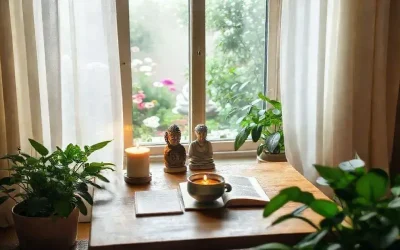
Creating a calming space for prayer is essential for fostering an atmosphere conducive to reflection and peace. When you designate a specific area for your prayer practice, you signal to your mind and body that it’s time to transition into a sacred moment. Here are some key tips to help you craft that perfect sanctuary.
First, think about location. Choose a spot in your home that feels serene and inviting—perhaps a corner of your bedroom, a cozy nook in your living room, or even a balcony with a view of nature. The more comfortable and personal the space, the easier it will be to settle into prayer.
Next, consider lighting. Soft, natural light is ideal, but if that’s not possible, think about adding candles or dimmable lamps. The gentle glow can create a warm ambiance, helping to ease your mind. If you’re feeling adventurous, try using colored lights; soft blues or greens can enhance feelings of tranquility.
Adding nature elements can also elevate your calming space. Incorporating plants, rocks, or even a small water fountain can infuse your area with a sense of peace. Nature has a way of grounding us, and the sound or sight of water can be especially soothing as you pray.
Don’t forget to add personal touches like meaningful objects. This could be a favorite book, a photo that inspires you, or items that serve as visual reminders of your thoughts and intentions. These elements create a deeper connection to your prayer space, making it feel even more intimate and special.
Lastly, dedicate a consistent time for your prayer practice. Whether it’s in the morning to set the tone for the day or in the evening to reflect on your experiences, having a routine can turn your calming space into a sacred ritual. Over time, your mind will learn to switch into a reflective mode simply by being in that space.
By thoughtfully designing your calming space for prayer, you create a sanctuary that invites peace and promotes deeper connections with your spiritual self. Embrace these moments—you deserve them.
Daily Prayer for Inner Peace
A daily prayer for inner peace acts as a gentle reminder to center yourself and embrace tranquility in your daily life. This practice can be as simple or as elaborate as you wish, but the essence remains the same: creating a moment to connect positively with your inner self. Let’s explore how you can incorporate a daily prayer for inner peace into your routine.
Start by finding a quiet moment each day—perhaps first thing in the morning when you wake up, or right before you go to bed. Consistency is key! When you set aside time specifically for this prayer, you make it a priority. In those moments of stillness, take a few deep breaths to ground yourself and prepare for reflection.
Your prayer can be personalized. Here’s a simple yet profound template to consider:
“In this moment of stillness, I invite peace into my heart. I release the worries of yesterday and the chaos of tomorrow. May I be present, finding joy in each breath I take. I embrace calmness and radiate it to those around me. Amen.”
Feel free to adapt the wording to fit your beliefs and feelings! The beauty of a daily prayer is that it’s uniquely yours.
When reciting your prayer, visualization can enhance the experience. Picture a soft light surrounding you, symbolizing peace and purity, washing away any stress or negative energy. This mental imagery can deepen the sense of serenity you’re inviting into your life.
Many also find it beneficial to write down their prayers in a journal. This adds a tactile element to your practice and allows you to reflect on your journey over time. Plus, the act of writing can help solidify your intentions and bring clarity to your thoughts.
Finally, don’t be afraid to revisit your prayer throughout the day. When stressors arise, pause and repeat the essence of your daily prayer internally. This reinforces the peace you’re cultivating and keeps you aligned with your intentions.
By integrating a daily prayer for inner peace into your life, you set a powerful tone for your day. Over time, you’ll find this practice enhances your emotional resilience and helps maintain a sense of calm amidst life’s challenges.
Evening Reflections: A Prayer for Gratitude

Evening reflections serve as a wonderful way to unwind at the end of the day, allowing space for gratitude and contemplation. A prayer for gratitude not only helps close your day on a positive note but also cultivates a mindset focused on appreciation and abundance. Let’s explore how you can incorporate this practice into your nightly routine.
First, set aside a few minutes in a peaceful environment—this could be at your bedside or in a comfortable chair. As with any meaningful practice, create a calm atmosphere. Dim the lights, light a candle, or play soft music if that helps you relax.
Your evening gratitude prayer can follow a simple structure. Here’s a heartfelt example:
“As the day comes to a close, I take a moment to reflect on the blessings I’ve received. I am grateful for the love of family and friends, the opportunities that challenged me, and the small joys that made me smile. I release any negativity and embrace peace as I look forward to tomorrow. Amen.”
Feel free to personalize your prayer! Mention specific events or people you are thankful for—this adds an intimate touch and helps you acknowledge the daily gifts you’ve received.
Another enriching aspect is to journal about your reflections. As you recite your prayer, jot down a few things you are grateful for that day. This practice not only reinforces the positive moments but also offers a beautiful record of your life experiences. Over time, you can look back and see how your perspective has shifted.
Consider incorporating mindful breathing into this practice. Before you begin your prayer, take a few deep breaths to center yourself. Inhale deeply, filling your lungs with air, and slowly exhale, releasing any stress from the day. This rhythm can soothe your mind and prepare you to connect with your feelings of gratitude.
Lastly, as you conclude your prayer, remind yourself to carry this sense of gratitude into tomorrow. Think about how you can embrace the new day with appreciation and openness, nurturing a positive outlook for whatever comes your way.
By regularly engaging in evening reflections through a prayer for gratitude, you cultivate a practice of recognition and appreciation. This transformative routine can lead to increased happiness and satisfaction in your life, creating a beautiful cycle of positivity and contentment.
Meditation and Prayer: Connecting with Your Inner Self
Meditation and prayer are powerful practices that can help you connect with your inner self. Together, they form a beautiful synergy, allowing you to cultivate inner peace while also deepening your spiritual awareness. Let’s explore how you can integrate meditation and prayer into a cohesive experience that fosters self-discovery and tranquility.
To start, create a dedicated time for your practice. Whether it’s early in the morning or late at night, consistency is key. Imagine having a quiet moment each day that’s solely yours—a sacred space to reconnect with your soul away from the chaos of daily life.
Begin your practice with a brief period of meditation. Find a comfortable position, close your eyes, and take several deep breaths, allowing your body to relax. Focus on the natural rhythm of your breath. If thoughts arise, simply acknowledge them and let them float away like clouds. This grounding exercise prepares you to enter a state of open awareness.
Once you feel centered, gently transition into prayer. You can use a prayer that speaks to you or create one in the moment. Something like:
“In this quiet moment, I open my heart to receive guidance and wisdom. May my thoughts align with my highest self, leading me to peace and understanding. I trust the journey ahead and embrace the light within me. Amen.”
This flow from meditation to prayer allows your thoughts to settle, making it easier to connect deeply with your spiritual self. It’s not just about speaking words but truly feeling them resonate within you.
Consider incorporating affirmations into your prayer as well. Simple phrases like “I am enough” or “I am filled with peace” can amplify your self-connection and reinforce positive beliefs, helping to dissolve self-doubt and negativity.
Lastly, take a moment to simply sit in silence after your prayer. This space is where profound insights often emerge. Listen to what your inner self has to say without judgment. Perhaps you receive clarity on an issue, feel a wave of peace wash over you, or simply enjoy a moment of calm.
Integrating meditation and prayer into a single practice can enhance your emotional and spiritual connection, allowing you to navigate life’s challenges with greater ease. Embrace this dual practice as a way to continually nurture your inner self, creating a foundation of love, acceptance, and peace.
Integrating Guided Prayers into Your Routine

Integrating guided prayers into your daily routine can transform how you perceive and engage with each day. By making this practice a habitual part of your life, you create a constant source of peace and reflection. Let’s explore some practical tips on how to seamlessly incorporate guided prayers into your everyday activities.
First, identify specific times that feel appropriate for your prayer practice. Consider moments like waking up, during lunch breaks, or right before going to bed. Having a set time each day builds consistency, making it easier to remember and prioritize this sacred practice.
Next, consider creating a dedicated space for guided prayers within your routine. This doesn’t necessarily mean you need a separate room; even a small corner in your living room or a comfortable chair by the window can serve as your designated prayer spot. Keep meaningful objects like candles or inspirational quotes nearby to enhance your connection and focus during prayer.
Incorporate technology to assist your practice. There are numerous apps and online resources available offering guided prayers tailored to various themes, such as gratitude, healing, or peace. You can also explore podcasts and YouTube channels—these resources can provide a fresh perspective and new insights to enrich your practice.
Make your prayers more engaging by inviting creativity into your routine. Consider writing down your guided prayers in a journal or adding personal reflections about each session. This practice not only deepens your connection but also allows you to track your progress and intentions over time.
Another helpful tip is to involve family and friends. Set aside moments to pray together, whether in person or virtually. Sharing this experience can deepen your relationships and provide mutual support as you all grow spiritually.
Finally, stay flexible. It’s perfectly fine if you can’t stick to a rigid schedule. If you miss a session or life feels too overwhelming, don’t be hard on yourself. Simply acknowledge it, and when you can, return to your practice. This adaptability will help you maintain a healthy relationship with your guided prayers without adding pressure.
By integrating guided prayers into your routine, you cultivate a practice that can nurture your spirit and provide comfort during life’s ups and downs. Embrace these moments—they’re opportunities for reflection, growth, and profound connection with yourself.
Conclusion
In conclusion, integrating guided prayers into your daily life can profoundly enhance your sense of peace and connection with your inner self.
By creating a calming space for prayer, practicing daily reflections, and embracing the synergy of meditation and prayer, you foster an environment that encourages mindfulness and gratitude.
Whether it’s through evening prayers, daily affirmations, or finding moments of stillness throughout the day, these practices offer meaningful pathways to navigate the complexities of life with serenity.
As you incorporate guided prayers into your routine, remember to stay flexible and open, allowing your practice to evolve with you.
Each moment spent in reflection, gratitude, and connection is an opportunity to enrich your spiritual journey.
Embrace these sacred times—you deserve the peace and fulfillment they bring.
FAQ – Frequently Asked Questions about Guided Prayers and Meditation
How can guided prayers help me find peace?
Guided prayers provide a structured way to focus your thoughts, helping you cultivate a sense of calm and tranquility in your daily life.
When is the best time to practice guided prayers?
The best time varies for each person, but many find morning or evening to be ideal for reflection and gratitude, allowing for a peaceful start or close to the day.
Do I need a special space for prayer?
While a dedicated space can enhance the experience, it’s not necessary. Any quiet area where you feel comfortable can serve as your prayer spot.
Can I combine meditation with guided prayers?
Absolutely! Combining meditation with guided prayers can deepen your experience, allowing for greater self-awareness and connection.
How do I personalize my guided prayers?
You can personalize your guided prayers by using specific language or affirmations that resonate with you, or by incorporating personal reflections and experiences.
What if I miss a day of prayer?
It’s okay! Life can get busy, and missing a session is normal. Just acknowledge it and return to your practice when you can, without being hard on yourself.