Contents
- 0.1 Guided prayers in the morning and evening offer meaningful opportunities for connection and reflection, setting a positive tone for the day and promoting peaceful closure at night.
- 0.2 Incorporating meditation can deepen this spiritual practice, enhancing awareness and focus.
- 0.3 To make prayer a daily habit, establish a specific time, create a dedicated space, and start with short prayers, leading to increased gratitude, tranquility, and spiritual growth for a more intentional life.
- 1 The Importance of Morning Prayers
- 2 How Evening Prayers Can Transform Your Night
- 3 Step-by-Step Guided Morning Prayer
- 4 Step-by-Step Guided Evening Prayer
- 5 Incorporating Meditation with Prayer
- 6 Tips for Making Prayer a Daily Habit
- 7 Conclusion
- 8 FAQ – Common Questions About Daily Prayer Practices
Guided prayers in the morning and evening offer meaningful opportunities for connection and reflection, setting a positive tone for the day and promoting peaceful closure at night.
Incorporating meditation can deepen this spiritual practice, enhancing awareness and focus.
To make prayer a daily habit, establish a specific time, create a dedicated space, and start with short prayers, leading to increased gratitude, tranquility, and spiritual growth for a more intentional life.
Are you looking to enhance your spirituality and find peace at the beginning and end of your day? Guided prayers can provide the perfect structure to start and end your day on a positive note.
Morning prayers can help set your intentions for the day, while evening prayers allow you to reflect and find closure.
In this post, we’ll explore meaningful guided prayers to enrich your daily routine and how to seamlessly integrate them into your lifestyle.
The Importance of Morning Prayers
The morning sets the tone for the rest of the day, and starting it with prayer can have profound effects on your mindset and overall well-being. Engaging in morning prayers can create a sense of calm and focus, allowing you to center your thoughts before diving into the day’s responsibilities.
One significant benefit of morning prayers is that they provide an opportunity for intention-setting. By articulating your hopes and desires for the day ahead, you can align your actions with your values, which is crucial for achieving personal and spiritual growth. For instance, taking a moment to express gratitude for the day can shift your perspective from stress to appreciation.
Additionally, morning prayers can enhance your mental clarity. In a world filled with distractions, dedicating even a few minutes to connect with your spirituality can help quiet your mind and sharpen your focus. Picture this: you wake up, sit quietly for a moment, and offer a prayer that nourishes your soul. You’ll likely find yourself feeling more energized and ready to tackle challenges.
Moreover, establishing a routine of morning prayers can lead to lasting changes in your daily behavior. The more you engage with this practice, the more it becomes woven into the fabric of your life. Over time, you’ll notice that you approach your day with a renewed sense of purpose and resilience.
In short, morning prayers are not just rituals; they are powerful tools for personal transformation. By incorporating this practice into your morning, you open up space for hope, clarity, and gratitude, ensuring you face each day with positivity and purpose.
How Evening Prayers Can Transform Your Night

As the day winds down, our minds can become cluttered with thoughts and feelings. This is where evening prayers come into play. Engaging in prayer before bed can dramatically transform how you process the day’s events and prepare for a restful night.
One of the primary benefits of evening prayers is the opportunity for reflection. Taking time to look back on your day allows you to acknowledge both the challenges and triumphs you faced. Imagine spending just a few minutes expressing gratitude for the good moments, while also allowing yourself to process any stress or unresolved feelings. This act of reflection can be incredibly cathartic, promoting emotional healing and clarity.
Evening prayers also serve as a natural segue into relaxation. By dedicating a few moments to connect with your spiritual side, you send signals to your brain that it’s time to wind down. This can help induce a sense of calm, making it easier for you to drift into sleep. Visualize your cozy bed, and let those worries fade away as you immerse yourself in a peaceful prayer.
Furthermore, evening prayers can foster a sense of closure. As you prepare to end one day and welcome another, these prayers can help you release what no longer serves you. It’s a moment to surrender your cares to a higher power, creating space for new beginnings. You may find yourself experiencing less anxiety and more tranquility as you embrace the night.
In essence, evening prayers are a powerful practice that can significantly enhance your overall well-being. By embracing the stillness of the evening through prayer, you prepare your mind and spirit for rest, paving the way for a rejuvenated start the following day. So, why not give it a try? You might be surprised by how transformative this simple act can be.
Step-by-Step Guided Morning Prayer
A guided morning prayer can help you start your day with intention and positivity. Here’s a simple step-by-step process to create your own morning prayer routine.
1. Find a Quiet Space: Begin by selecting a calm environment where you can focus. This could be a cozy corner in your home, a garden, or even a peaceful spot in a nearby park. The key is to minimize distractions.
2. Set Your Posture: Sit comfortably in a chair or on the floor, or you may choose to kneel if that feels right for you. Ensure your body is relaxed but alert, allowing for both comfort and focus.
3. Take a Few Deep Breaths: Before you start your prayer, take a moment to breathe deeply. Inhale slowly through your nose, hold for a few seconds, and then exhale gently through your mouth. This simple act can center your thoughts and calm your mind.
4. Begin With Gratitude: Start your prayer by thanking the universe, God, or your higher power for the gift of a new day. Expressing gratitude can shift your mindset and enhance your appreciation for the little things in life. For example, you might say, “Thank you for the opportunities today may bring.”
5. Set Your Intentions: Reflect on what you hope to achieve throughout the day. This could be related to work, relationships, or personal growth. You might say something like, “Today, I aim to be present, compassionate, and open to new experiences.”
6. Ask for Guidance: Seek guidance or strength for the challenges you might face. You could pray, “Please help me approach my tasks with confidence and grace, and guide my interactions with kindness and understanding.” This is about opening yourself to support.
7. Conclude with Affirmation: Wrap up your prayer with a positive affirmation. This could be something like, “I am capable, I am enough, and I embrace today’s journey with an open heart.” This reinforces your intentions and empowers you as you step into the day.
By following these steps, you’ll create a personalized morning prayer that resonates with you. Remember, the essence of prayer is to foster a connection with your spirituality, so feel free to adapt this process to suit your preferences. With practice, it will become a cherished part of your morning routine!
Step-by-Step Guided Evening Prayer

A guided evening prayer can help you unwind and reflect on your day before you drift off to sleep. Here’s a step-by-step guide to creating your own evening prayer routine.
1. Create a Calm Environment: Choose a quiet, comfortable space where you can relax at the end of the day. This might be your bedroom, a cozy chair, or any spot that feels serene and inviting.
2. Settle into a Comfortable Position: Sit or lie down in a comfortable position. Ensure your body is at ease, allowing you to relax and focus your thoughts. You might want to dim the lights or light a candle to enhance the calming atmosphere.
3. Take Deep Breaths: Start by taking a few deep, calming breaths. Inhale through your nose, filling your lungs, hold for a moment, and then exhale slowly through your mouth. This helps to clear your mind and release any tension from the day.
4. Reflect on Your Day: Spend a moment reflecting on the day’s events. What went well? What challenges did you face? Think about how you handled those situations and acknowledge both your successes and areas for growth.
5. Express Gratitude: Begin your prayer by expressing gratitude for the experiences of the day. You might say, “Thank you for the lessons learned and the joys experienced today,” which fosters an appreciative mindset and opens your heart.
6. Seek Forgiveness: If there were moments during the day when you felt you didn’t act as your best self, take a moment to ask for forgiveness—for yourself and others. You might pray, “I seek forgiveness for any hurt I may have caused today, and I offer forgiveness to those who may have hurt me.” This can bring a sense of peace and closure.
7. Set Intentions for Rest: Close your prayer by setting intentions for a restful night and a productive tomorrow. You could say, “As I go to sleep, I release all burdens. May I rest well and awaken refreshed and ready to embrace a new day.” This ensures a peaceful transition into sleep.
By following these steps, you can create a meaningful evening prayer that resonates with your spirit. Feel free to adjust the process to fit your own personal style and needs. Over time, this practice will cultivate a sense of peace and closure, allowing you to end each day on a positive note.
Incorporating Meditation with Prayer
Incorporating meditation into your prayer practice can enhance your spiritual experience, creating a deeper sense of connection and awareness. Here’s how to blend these two powerful practices effectively.
1. Understand the Connection: Both meditation and prayer share a common goal: seeking inner peace and spiritual growth. While prayer often involves speaking to a higher power, meditation focuses on stillness and listening. By combining the two, you can create a powerful routine that nurtures your spirituality.
2. Choose Your Space: Start by establishing a quiet space for both meditation and prayer. This environment should invoke a sense of calmness. Consider using soft lighting, incense, or soothing sounds to enhance the ambiance.
3. Begin with Meditation: Begin your practice with a few minutes of meditation. Sit comfortably, close your eyes, and focus on your breathing. As you inhale and exhale, allow any distracting thoughts to drift away. This practice calms the mind and opens your heart, creating the perfect space for prayer.
4. Transition to Prayer: After your meditation session, gently transition into your prayer. You can start by expressing gratitude for the time spent in stillness. You might say, “Thank you for this moment of peace and clarity.” This helps to deepen your prayer experience by grounding you in the present.
5. Use Guided Meditation: If you’re unsure how to meditate before prayer, consider using guided meditation specifically focused on spirituality. These can be found through apps or online platforms. Guided sessions often include themes of gratitude, forgiveness, and clarity, all of which naturally feed into your prayer.
6. Close with Silence: After finishing your prayer, take a few more moments in silence. This pause allows you to reflect on your prayer and absorb the feelings it has brought. Embrace the stillness, letting it resonate within you as you transition back into your day.
By blending meditation and prayer, you can create a holistic spiritual practice that fosters deeper connections and enhances emotional well-being. With time, this fusion will help cultivate a serene and centered approach to your daily life.
Tips for Making Prayer a Daily Habit

Making prayer a daily habit can transform your spiritual life, bringing peace and intention to each day. Here are some practical tips to help you incorporate prayer into your daily routine.
1. Set a Specific Time: Choose a specific time each day that works best for you—whether it’s in the morning, during lunch, or before bed. Creating a schedule will help you remember to pray consistently and make it a regular part of your routine.
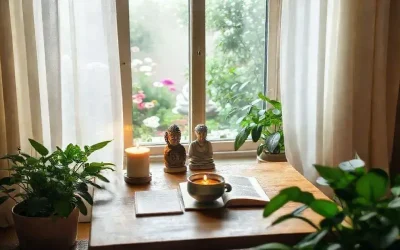
2. Create a Prayer Space: Designate a special spot in your home for prayer. This might include setting up a small altar, putting a comfortable chair in a quiet corner, or simply finding a peaceful area where you can focus. Making this space inviting will encourage you to use it regularly.
3. Start Small: If you’re starting a new prayer habit, begin with short, simple prayers. You might start with just a few minutes each day, gradually increasing the time as you become more comfortable. This way, you’ll avoid feeling overwhelmed.
4. Use Prayer Prompts: If you struggle to find words or where to start, consider using prayer prompts. These could be in the form of written prayers, daily devotionals, or even thematic resources that guide your thoughts. Utilizing prompts can help you stay focused and inspired.
5. Keep a Prayer Journal: Consider keeping a journal to document your prayers, thoughts, and reflections. Writing can help clarify your feelings and intentions, making your prayer practice feel more meaningful. Plus, it’s rewarding to look back and see your spiritual journey unfold.
6. Be Flexible: Life can be unpredictable, so be flexible with your prayer routine. If you miss your normal prayer time, don’t stress—just fit it in when possible. The key is to keep the practice alive, not let rigid schedules hinder your connection.
7. Share with Others: Engaging in prayer with friends or family can create a sense of community and support. Consider forming a prayer group or participating in group prayer events. Sharing your intentions and experiences can motivate you to stay committed.
By following these tips, you’ll find it easier to weave prayer into your daily life. With consistency and intention, prayer can become a cherished habit that enriches your spirit and serenity.
Conclusion
Incorporating prayer into your daily routine, whether through morning or evening rituals, can lead to profound changes in your life.
Starting your day with guided morning prayers can help set a positive tone, while evening prayers allow for reflection and closure.
Blending meditation with prayer enhances this spiritual practice, promoting deeper connections and inner peace.
Moreover, making prayer a daily habit is achievable with a few intentional steps. By committing to a specific time, creating a welcoming space, and employing resources like prayer journals and prompts, you can cultivate a transformative interaction with your spirituality.
Remember, the journey of prayer is personal, and it’s about finding what resonates with you.
As you integrate these practices into your life, you’ll likely notice greater clarity, gratitude, and a sense of purpose that can positively influence all aspects of your days.
So, embrace the power of prayer and meditation, and watch as your life flourishes with intention and peace.
FAQ – Common Questions About Daily Prayer Practices
How can I start incorporating prayer into my daily routine?
Start by setting a specific time each day for prayer, creating a space dedicated to prayer, and begin with short, simple prayers.
What are the benefits of morning prayers?
Morning prayers help set a positive tone for the day, promote intention-setting, and enhance mental clarity, making you feel more focused and grounded.
How can evening prayers help me unwind?
Evening prayers provide a moment for reflection, gratitude, and closure, helping to process the day’s events and prepare for restful sleep.
What is the role of meditation in prayer?
Meditation helps calm the mind and opens your heart, making it easier to connect with your spirituality during prayer.
How can I keep my prayer routine flexible?
Be adaptable with your prayer times. If you miss your usual time, try to pray at another moment in the day rather than stressing over it.
What resources can I use for prayer prompts?
Consider using daily devotionals, themed resources, or written prayers to guide your thoughts and help maintain focus during your prayer sessions.