Contents
- 1 Understanding the Purpose of Prayer
- 2 Choosing the Right Time and Space
- 3 Incorporating Personal Elements
- 4 Using Written Prayers or Scriptures
- 5 Building a Community Around Your Ritual
- 6 Maintaining Consistency and Adaptability
- 7 Conclusion
- 8 FAQ – Common Questions About Creating a Meaningful Prayer Ritual
- 8.1 What is the purpose of a prayer ritual?
- 8.2 How do I choose the right time for my prayer ritual?
- 8.3 What personal elements should I incorporate into my ritual?
- 8.4 Can I use written prayers or scriptures in my ritual?
- 8.5 How can I build a community around my prayer ritual?
- 8.6 How do I maintain consistency while allowing for flexibility?
Creating a meaningful prayer ritual involves understanding the purpose of prayer as a connection to the divine, choosing the right time and space for consistency, incorporating personal elements like meaningful prayers and symbols, using written prayers for structure, building a supportive community, and maintaining adaptability to ensure the practice evolves.
This holistic approach enhances spiritual growth and reflection.
Creating a meaningful prayer ritual can profoundly enrich your spiritual journey.
How to create a meaningful prayer ritual isn’t just about routine; it’s about crafting a personal practice that resonates with your inner self.
In this article, we’ll explore practical steps that can help you engage more deeply with your spirituality, allowing you to nurture both your mind and soul.
Understanding the Purpose of Prayer
Understanding the purpose of prayer is essential for anyone looking to create a meaningful prayer ritual. At its core, prayer serves as a powerful tool for connecting with the divine, reflecting on one’s thoughts and emotions, and seeking guidance during challenging times.
Many people view prayer as a way to express gratitude for the blessings in their lives. Taking a moment to acknowledge the good can shift your perspective and foster positivity. For instance, consider starting your prayer by thanking for the little things—maybe it’s the warmth of the sun or a smile from a stranger. These small moments often go unnoticed but can greatly enhance our sense of well-being.
Another critical aspect is using prayer as a form of meditation. This doesn’t have to mean sitting cross-legged on a mountain top! You can simply close your eyes, focus on your breath, and let your thoughts settle. From there, express what’s on your heart—whether it’s worries, hopes, or desires. It’s all about finding that space where you feel safe to share your authentic self.
Personal Transformation
Finally, prayer can pave the way for personal transformation. When you pray, you open a dialogue with something greater than yourself. This act can encourage self-reflection, helping you identify areas in your life that need change or healing. It’s like having a heart-to-heart conversation with a trusted friend who offers insight without judgment.
So, when establishing your prayer ritual, remember that the purpose of prayer extends beyond asking for help. It’s about forming a deep understanding of your own spirit, embracing gratitude, and inviting transformation into your life.
Choosing the Right Time and Space
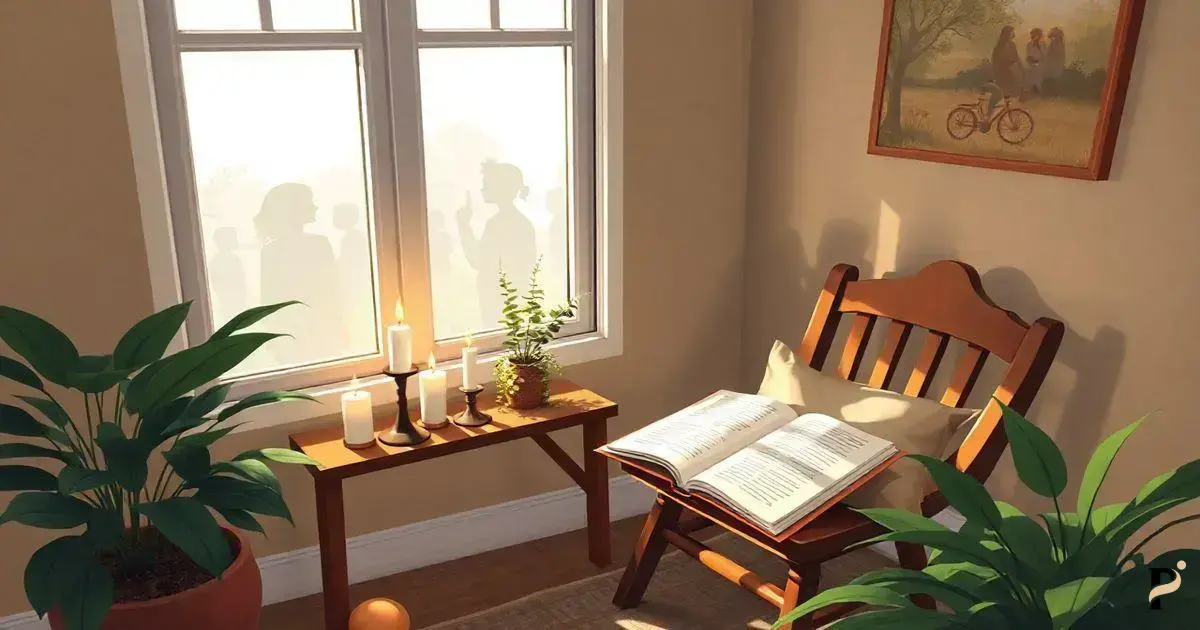
Choosing the right time and space for your prayer ritual can make a world of difference in how meaningful and impactful it feels. The timing you select and the environment you create can either enhance or hinder your connection to your spiritual practice.
First off, think about times of the day when you feel most at peace. For some, this might be early in the morning when the world is still quiet, allowing for a fresh start to the day. Others might find evenings after a long day to be the best time for reflection and gratitude. Take note of when you are most receptive to spiritual growth and aim to set aside that time for prayer.
Next, consider the space where you’ll conduct your prayers. You don’t need a lavish setting; what matters is how it feels to you. It could be a corner of your room, a cozy chair, or even a spot in a nearby park that brings you tranquility. Surround yourself with elements that foster peace—like a candle, some soft lighting, or meaningful objects that inspire you. It’s all about creating an atmosphere that feels sacred.
Additionally, keep in mind the potential distractions in your chosen environment. It might help to turn off your phone or find a space where you won’t be interrupted. Even simple actions like sitting down with your eyes closed for a few breaths can signal to your mind that it’s time to enter into a prayerful state. The key is to cultivate a sense of focus that allows you to dive deep into the purpose of your ritual.
Ultimately, choosing the right time and space is about making sure you have a sanctuary—however small—where you can connect authentically with your spirit. By prioritizing these elements, your prayer ritual can flourish, bringing the clarity and peace you seek.
Incorporating Personal Elements
Incorporating personal elements into your prayer ritual is what transforms it from a routine task into a deeply meaningful experience. These elements help you connect with your spiritual practice on a more intimate level, making it uniquely yours.
First, consider what truly resonates with you. This could be anything from specific prayers, songs, or meaningful texts that uplift your spirit. For instance, you might want to include a favorite verse from a book that inspires you or lyrics from a song that touches your heart. Having these personal elements at hand can remind you of your values and intentions.
Next, think about integrating symbols or objects that hold significance in your life. This could be a piece of jewelry, a photograph of a loved one, or even a small stone you found during a memorable hike. Whatever it is, these items act as tangible reminders of what you’re praying for or what you wish to reflect on during your ritual. Placing them in your prayer space can invite your memories and emotions to surface, enriching the experience.
Also, consider using personal affirmations or intentions during your prayers. Are there specific qualities you wish to nurture within yourself, like patience or love? You might start or end your prayer with a statement that encourages those qualities in your life. This practice makes your prayer ritual an active part of your personal development journey, rather than a passive one.
Finally, don’t forget the power of your own voice. Speak your prayers aloud, or even write them down in a journal. The act of articulating your thoughts and feelings can deepen your connection to your intentions. It’s about creating a safe space where your authentic self can come forward, free from judgment.
Incorporating personal elements into your prayer ritual not only reflects who you are but also enhances your overall experience, allowing your spiritual practice to evolve alongside you.
Using Written Prayers or Scriptures
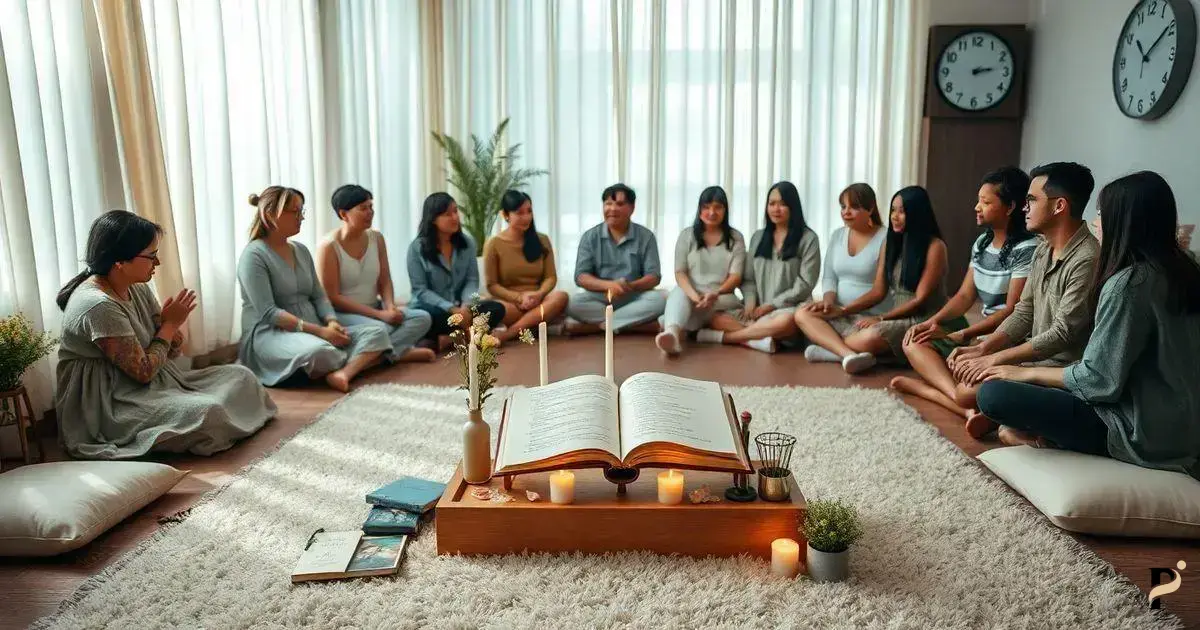
Using written prayers or scriptures in your prayer ritual can bring depth and structure to your spiritual practice. These texts can serve as a guide, helping you articulate your thoughts and fostering a connection to a larger tradition.
One way to incorporate written prayers is by selecting those that resonate with your emotions and goals. For example, if you’re seeking comfort during difficult times, look for prayers that bring peace and solace. You might even consider creating a collection of your favorite prayers or verses in a journal, allowing you to revisit them as needed. This can be particularly powerful when you’re feeling lost or unsure of how to express your thoughts.
Another option is to use scriptures from your religious or spiritual tradition. Reading sacred texts can provide inspiration and context, offering insights that deepen your understanding of your belief system. Take the time to reflect on specific passages that speak to you. You can even read a verse at the beginning of your ritual, allowing it to guide your thoughts and intentions for that prayer session.
Incorporating written prayers or scriptures also opens the door to creativity. You might find it beneficial to adapt a prayer to better fit your situation. This could involve rewriting a traditional prayer in your own words, making it more personal and relevant to your life. By doing this, you strengthen your voice within the ritual and bring your unique perspective into the practice.
Moreover, consider intertwining your written prayers with moments of silence or meditation. After reading a specific prayer or verse, pause to reflect on its meaning and how it applies to your life. This creates a sacred rhythm where words spark contemplation, allowing you to absorb the essence of the text fully.
Ultimately, using written prayers or scriptures can enrich your prayer ritual, providing you with a solid foundation while also allowing for personal expression. By grounding your practice in meaningful texts, you cultivate a deeper sense of connection—both to your own spirit and to a larger community of faith.
Building a Community Around Your Ritual
Building a community around your prayer ritual can significantly enhance your experience and deepen your spiritual practice. Engaging with others who share similar beliefs and values fosters a sense of belonging and support, making your ritual even more meaningful.
One of the first steps in creating a community is inviting friends or family to join you in your prayer practice. This could be as simple as gathering once a week for group prayers, where everyone shares their intentions and offers each other encouragement. Not only does this create accountability, but it also strengthens the bond between participants as you share in each other’s spiritual journeys.
You might also consider attending local prayer groups or faith-based gatherings in your area. These events provide an opportunity to connect with like-minded individuals, sharing insights and experiences that can inspire your own practice. Plus, hearing different perspectives can widen your understanding of spirituality, introducing you to new prayers or methods that resonate with you.
If you’re looking for a more digital approach, online platforms offer fantastic ways to connect with others across the globe. Social media groups, forums, or dedicated websites focused on prayer practices can provide a sense of community even from afar. You can exchange written prayers, start discussions about spiritual topics, or simply support one another during profound moments in life.
Another aspect of community building is participating in charitable efforts or service activities together. When you come together to help others, it can enrich your prayer rituals. Group service projects can serve as a powerful reminder of your shared values and intentions, making your prayers more purposeful.
Lastly, remember to stay open to the experiences and contributions of others. Everyone has unique insights and personal stories that can add layers to your understanding of prayer. Embrace the opportunity to learn and grow together, creating a nurturing environment where everyone feels valued and supported.
In essence, building a community around your prayer ritual not only enhances your individual practice but also fosters connections that nourish the spirit. In unity, you can uplift each other, share wisdom, and create a profound sense of belonging in your spiritual journey.
Maintaining Consistency and Adaptability

Maintaining consistency and adaptability in your prayer ritual is essential for keeping it relevant and profound as your life evolves. Finding a balance between sticking to your routine and allowing flexibility enables you to deepen your spiritual practice over time.
First, consider setting aside a specific time each day or week for your prayer ritual. Having a consistent schedule can help signal to your mind and body that it’s time to engage in this sacred practice. Whether you choose the quiet morning hours or a reflective evening session, establishing this routine creates a sense of commitment and reinforces the significance of your prayers.
However, consistency doesn’t mean rigidity. Life happens, and there will be days when you might be too busy or not in the right mindset to engage in your usual prayer practice. This is where adaptability comes into play. Don’t be too hard on yourself! If you miss a scheduled prayer, consider finding different ways to connect with your spirituality throughout the day. Maybe it’s a moment of gratitude as you sip your morning coffee or a short affirmation while commuting.
You can also adapt your ritual to your current needs or changes in circumstances. As you grow, your prayers might evolve, reflecting new intentions or challenges in your life. For instance, if you’re going through a difficult time, you might find comfort in more frequent reflections or specific prayers focused on healing. By adjusting your prayer content to stay aligned with your inner self, you’ll keep the ritual vibrant and meaningful.
Another way to ensure adaptability is to keep your prayer materials open to interpretation. For instance, you might incorporate a mix of traditional prayers and spontaneous expressions of gratitude or concerns. This variety allows your ritual to feel fresh and personal, preventing it from becoming a tedious task.
Finally, listen to your intuition. If a certain time, space, or prayer practice no longer resonates with you, don’t hesitate to switch things up. Acknowledging your feelings and needs during your prayer ritual fosters authenticity and connection to your own journey.
In conclusion, while consistency in your prayer ritual is crucial for developing a profound connection, maintaining adaptability ensures that your practice continues to grow with you. By finding this balance, you can cultivate a rich spiritual experience that resonates deeply with your soul’s journey.
Conclusion
Creating a meaningful prayer ritual is a deeply personal journey that fosters connection, reflection, and growth.
By understanding the purpose of prayer, choosing the right time and space, incorporating personal elements, utilizing written prayers or scriptures, building a supportive community, and maintaining both consistency and adaptability, you can construct a practice that resonates with your spirit.
Remember, your prayer ritual is not just a routine; it’s an evolving expression of your beliefs and intentions.
As life changes, allow your ritual to adapt, ensuring that it continues to meet your needs and align with your values.
By nurturing this sacred time in your life, you open the door to profound transformation and a deeper connection to yourself and the divine.
So, begin this journey with an open heart and mind.
Embrace the process, and let your prayer ritual be a source of strength, comfort, and inspiration as you navigate the complexities of life.
FAQ – Common Questions About Creating a Meaningful Prayer Ritual
What is the purpose of a prayer ritual?
The purpose of a prayer ritual is to foster a connection with the divine, reflect on personal thoughts and emotions, and seek guidance during life’s challenges.
How do I choose the right time for my prayer ritual?
Choose a time when you feel most at peace, whether it’s in the morning or evening, and try to stick to that routine for consistency.
What personal elements should I incorporate into my ritual?
Incorporate meaningful prayers, symbols, or affirmations that resonate with you, enhancing the personal connection to your practice.
Can I use written prayers or scriptures in my ritual?
Absolutely! Using written prayers or scriptures can provide structure and inspiration, making your practice more meaningful.
How can I build a community around my prayer ritual?
Invite friends or family to join you, attend local gatherings, or participate in online platforms that focus on shared spiritual practices.
How do I maintain consistency while allowing for flexibility?
Set a specific time for your ritual but remain open to adapting your practice as your needs and circumstances change. Listen to your intuition.