Contents
- 0.1 Staying consistent with a prayer challenge requires setting clear intentions, creating a dedicated prayer space, and establishing a structured schedule.
- 0.2 Incorporating diverse prayer methods and engaging with support groups can enhance motivation and accountability. Regular reflection and adjustments to your approach will keep your practice fulfilling and aligned with your spiritual journey. Implement these strategies to deepen your prayer practice and strengthen your spiritual connection.
- 1 Set Clear Intentions for Your Prayer Challenge
- 2 Create a Dedicated Prayer Space
- 3 Develop a Prayer Schedule
- 4 Utilize Support Groups for Accountability
- 5 Incorporate Variety in Your Prayer Methods
- 6 Reflect and Adjust Your Approach Regularly
- 7 Conclusion
- 8 FAQ – Frequently Asked Questions about Staying Consistent with a Prayer Challenge
- 8.1 Why is setting clear intentions important for a prayer challenge?
- 8.2 How can I create a dedicated prayer space at home?
- 8.3 What are some effective ways to develop a prayer schedule?
- 8.4 How can support groups help with my prayer challenge?
- 8.5 What types of variety can I incorporate into my prayer methods?
- 8.6 Why is it important to reflect and adjust my approach regularly?
Staying consistent with a prayer challenge requires setting clear intentions, creating a dedicated prayer space, and establishing a structured schedule.
Incorporating diverse prayer methods and engaging with support groups can enhance motivation and accountability. Regular reflection and adjustments to your approach will keep your practice fulfilling and aligned with your spiritual journey. Implement these strategies to deepen your prayer practice and strengthen your spiritual connection.
Staying consistent with a prayer challenge can be incredibly rewarding, yet challenging.
Whether you’re embarking on a 30-day journey or just looking to enhance your spiritual life, keeping up the momentum is key.
In this article, we’ll explore practical tips that can help you maintain your commitment to daily prayer, ensuring your experience is not only consistent but also deeply fulfilling.
Set Clear Intentions for Your Prayer Challenge
Setting clear intentions for your prayer challenge is foundational to staying consistent. Start by asking yourself why you want to engage in this practice. Are you seeking spiritual growth, peace, community, or clarity? Whatever the reason, writing it down can help solidify your purpose.
Next, consider setting specific goals. For instance, instead of saying, ‘I want to pray more,’ aim for, ‘I want to pray for 10 minutes every morning.’ This clarity will guide your actions and help you measure your progress.
Another effective method is to create a vision board or even a journal dedicated to your prayer journey. Use it to record your thoughts, goals, and any insights you gain along the way. This not only tracks your progress but also serves as a visual reminder of your intentions.
Lastly, don’t hesitate to share your intentions with someone else. Whether it’s a friend or a community group, having an accountability partner can reinforce your commitment and provide support. When you articulate your intentions, you make them more real and achievable, which can greatly enhance your consistency in the challenge.
Create a Dedicated Prayer Space

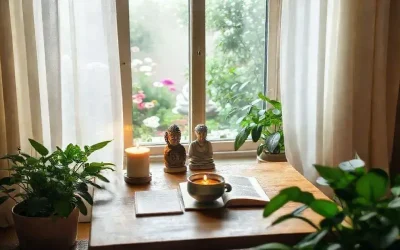
Creating a dedicated prayer space can significantly enhance your prayer challenge experience. This space doesn’t need to be large; it just needs to be intentional. Choose a spot in your home that feels calm and inviting. It could be a corner of your bedroom, a cozy chair in the living room, or even a spot in your backyard. The key is that it should be a space you associate with peace and reflection.
Once you’ve chosen the location, personalize it. Add items that inspire you—perhaps a comfortable cushion, a beautiful piece of art, or candles that set a soothing ambiance. You might also include a Bible, journal, or prayer prompts to help guide your sessions. These elements will not only make your space inviting but will also remind you of your purpose each time you enter.
Consider the lighting as well; natural light can work wonders and enhance your mood. If you can, arrange your space so that you can enjoy the sunlight or add some soft lamps for a cozy feel during evening prayers.
Additionally, try to keep your space free of distractions. This means minimizing noise and clutter. If possible, restrict this area to your prayer time alone, which can help your mind and spirit connect with the purpose of the space more deeply. Having a dedicated prayer space can make your challenge feel more special and sacred, reinforcing your commitment to consistency.
Develop a Prayer Schedule
Developing a prayer schedule is crucial for staying consistent in your prayer challenge. A schedule adds structure to your spiritual practice, making it easier to incorporate prayer into your daily routine. Start by choosing a specific time that works best for you—whether it’s early in the morning, during lunch breaks, or just before bed. Consistency in timing helps create a habit.
Once you’ve picked a time, block it out in your calendar or set reminders on your phone. Think of it like any other important appointment in your life. Treating your prayer time as sacred, just like a meeting or lunch date, helps ensure you prioritize it.
You can also consider using different frameworks for your prayer schedule. For instance, you might designate specific themes for different days of the week—for example, praying for family on Mondays, for peace on Tuesdays, and so on. This variety can keep your prayer life fresh and engaging.
Additionally, don’t forget to factor in flexibility. Life can get busy, and it’s easy to miss a session. If you happen to miss a scheduled prayer time, don’t be too hard on yourself. Instead, find a moment later in the day to reconnect. It’s about consistency over perfection.
Lastly, review your schedule regularly. As your life circumstances change, your prayer needs may evolve too. Adjust your schedule to ensure it continues to serve you well and meets your spiritual goals as they develop.
Utilize Support Groups for Accountability

Utilizing support groups for accountability can play a vital role in your prayer challenge journey. When you share your goals with others, it not only holds you accountable but also creates a community that encourages your progress. Look for a church group, online forum, or local meet-up dedicated to prayer or spirituality. Surrounding yourself with like-minded individuals can inspire you to stay committed.
In a support group, you can share your experiences, discuss challenges, and celebrate victories together. It fosters a sense of belonging and reminds you that you’re not alone on this path. Engaging in regular discussions about your prayer practices, struggles, and breakthroughs can keep your motivation high.
Consider establishing a check-in routine with your group, whether it’s a weekly meeting or a quick daily message thread. These check-ins allow everyone to report on their progress, share insights, and ask for prayer requests. It’s amazing how simply sharing your journey can give you the boost you need to stay consistent.
If you can, find a prayer partner within your group. This one-on-one connection can be even more powerful. You can set defined goals, encourage each other, and hold each other accountable on days when motivation wanes. Knowing that someone else is walking this path with you can make all the difference.
Finally, don’t be shy about seeking help or encouragement when needed. Openly communicate within your group if you’re struggling with consistency; chances are others have faced similar issues and can offer valuable support and advice. Together, you can create a strong network of faith that nurtures your commitment to prayer.
Incorporate Variety in Your Prayer Methods
Incorporating variety in your prayer methods can significantly enhance your experience and keep your prayer challenge engaging. If you typically pray in the same way every day, it can become a routine rather than a meaningful practice. To combat this, try mixing up your methods and approaches to deepen your connection with your spirituality.
Start by exploring different types of prayer. For instance, you might include traditional written prayers, spontaneous prayers, or contemplative meditations. Each approach offers a unique way to connect, and rotating between them can keep your practice fresh and exciting.
You can also introduce physical elements to your prayer. Consider journaling your prayers or creating art as a form of expression. Lighting candles, using essential oils, or even walking in nature while you pray can bring a sensory dimension to your experience, making your moments of prayer feel more alive.
Another idea is to incorporate music into your prayer routine. Listening to worship songs or creating a playlist of instrumental music while you pray can create an uplifting atmosphere. You might even choose to pray along with songs, merging reflection with rhythm.
Additionally, try setting specific themes for your prayers. You could dedicate a day to gratitude, focusing solely on what you’re thankful for, or choose a day for intercessory prayer where you pray for others. These focused themes can help drive your intentions and keep your mind engaged.
Finally, consider joining group prayers or workshops focused on prayer. Being part of a community can introduce you to new methods of praying that you might not have explored on your own. Remember, the goal is to find what resonates most with you and brings you closer to your spiritual journey.
Reflect and Adjust Your Approach Regularly

Reflecting on and adjusting your approach to prayer is crucial for maintaining consistency in your prayer challenge. Regular reflection allows you to assess your progress, gauge what’s working, and identify areas that may need change. Consider setting aside time at the end of each week or month to evaluate your experiences.
During this reflection period, ask yourself questions like: How did I feel after my prayers? Was I able to stick to my schedule? Did I feel connected to my intentions? Responses to these questions can provide valuable insights into your practice, helping you understand your spiritual needs and feelings.
If you find certain methods unfulfilling or challenging, don’t hesitate to adjust. For example, if daily morning prayers felt rushed, consider moving them to the evening when you have more time to focus. Alternatively, if a particular prayer style isn’t resonating, explore new methods that might better align with your current state of mind.
Documenting your reflections can also be incredibly helpful. Keeping a journal not only helps track your spiritual growth but also provides a space for processing thoughts and feelings about your prayer journey. Over time, you’ll see patterns and themes that can inform future adjustments, tailoring your approach to better fit your evolving spiritual relationship.
Additionally, be open to trial and error. It’s perfectly normal for your prayer life to shift as your circumstances change. Embrace the journey of discovering what methods ignite passion in your practice, whether that’s through different prayer times, locations, or techniques.
Finally, share your reflections with your support group or prayer partner. Discussing your insights can spark conversations that lead to new ideas and techniques. Remember, reflection and adjustment aren’t signs of failure—they’re crucial elements of growth in any spiritual journey.
Conclusion
Staying consistent with a prayer challenge can be a fulfilling and transformative journey. By setting clear intentions, creating a dedicated prayer space, and developing a prayer schedule, you’re laying the groundwork for a meaningful practice.
Incorporating variety and utilizing support groups can keep your experience fresh and engaging, helping you stay committed along the way.
Moreover, regularly reflecting and adjusting your approach enables you to adapt to your evolving spiritual needs, ensuring your prayer life remains relevant and impactful. Embrace these strategies, and you’ll find that your prayer challenge not only enhances your connection to spirituality but also enriches your everyday life.
Remember, every step you take in this journey counts, and consistency, even in small doses, paves the way for profound growth.
FAQ – Frequently Asked Questions about Staying Consistent with a Prayer Challenge
Why is setting clear intentions important for a prayer challenge?
Setting clear intentions helps clarify your purpose for engaging in prayer, making it easier to stay focused and committed.
How can I create a dedicated prayer space at home?
Choose a calming spot in your home, personalize it with inspiring items, and keep it free of distractions to enhance your prayer experience.
What are some effective ways to develop a prayer schedule?
Select a specific time for prayer, block it in your calendar, and introduce themes for different days of the week to maintain variety.
How can support groups help with my prayer challenge?
Support groups provide accountability, encouragement, and a sense of community, making it easier to stay committed to your prayer practice.
What types of variety can I incorporate into my prayer methods?
You can try different types of prayer, use physical elements like journaling, include music, or establish themed prayer days to keep your practice engaging.
Why is it important to reflect and adjust my approach regularly?
Regular reflection allows you to assess your progress, adapt to changing needs, and ensure your prayer practice remains fulfilling and relevant.