Contents
- 0.1 Morning prayer is a powerful practice that can positively influence your day by fostering mindfulness and purpose. By creating a serene environment, incorporating gratitude, and setting intentions, you can enhance your spiritual well-being.
- 0.2 Establishing a daily routine, even starting small, and being consistent are essential for making morning prayer a meaningful part of your life.
- 1 Understanding the Importance of Morning Prayer
- 2 Setting the Right Environment for Prayer
- 3 Simple Steps to Begin Your Morning Prayer
- 4 Incorporating Gratitude into Your Prayer Routine
- 5 Creating a List of Prayer Intentions
- 6 Making Morning Prayer a Daily Habit
- 7 Conclusion
- 8 FAQ – Frequently Asked Questions about Morning Prayer
Morning prayer is a powerful practice that can positively influence your day by fostering mindfulness and purpose. By creating a serene environment, incorporating gratitude, and setting intentions, you can enhance your spiritual well-being.
Establishing a daily routine, even starting small, and being consistent are essential for making morning prayer a meaningful part of your life.
Starting your day with a morning prayer can transform your mindset and set a positive tone.
It’s a simple yet powerful way to center yourself, cultivate gratitude, and prepare for the day ahead.
In this guide, we’ll explore the simple steps you can take to incorporate morning prayer into your daily routine for a fulfilling start each day.
Understanding the Importance of Morning Prayer
Morning prayer holds a special place in many spiritual traditions. It’s not just about uttering a few words; it’s an opportunity to connect with your inner self and set your intentions for the day.
When you start your morning with prayer, you’re essentially prioritizing your mental and spiritual well-being, which can lead to a more focused and peaceful day.
Think of it like charging your phone before a long day out—without that charge, it’s hard to stay connected. Morning prayer helps to recharge your spiritual battery, allowing you to face the day’s challenges with a calm and prepared mindset.
Benefits of Morning Prayer
Additionally, studies show that incorporating a moment of quiet reflection can significantly reduce stress levels. By taking just a few minutes each morning to pray, you’re not only nurturing your soul but also setting a powerful intention to approach your day with positivity and clarity.
Ultimately, morning prayer helps to instill a sense of purpose. It reminds you to focus on what truly matters and align your actions with your values. Whether it’s seeking guidance or expressing gratitude, this simple practice can profoundly influence the trajectory of your day.
Setting the Right Environment for Prayer

Creating the right environment for your morning prayer is essential for fostering a peaceful and focused mindset. The space where you pray should be comfortable, inviting, and free from distractions. It’s all about setting the mood so you can truly get into that reflective zone.
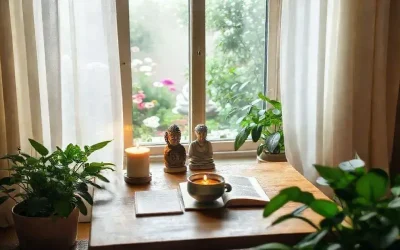
Start by choosing a quiet spot in your home, perhaps near a window where you can let in natural light or in a cozy corner with a favorite chair or cushion. You might want to decorate this space with meaningful items—a beautiful candle, a framed photo of a place you love, or even some fresh flowers. These little touches can elevate your mood and remind you of the beauty around you.
Sound can also play a huge role in creating the right ambiance. Consider incorporating soft background music or nature sounds, which can help create a serene atmosphere. If you enjoy guided meditations, there are countless apps that offer short morning prayers or affirmations to ease you into your prayer time.
Another important factor is the scent of your environment. Lighting a candle or using essential oils can create a soothing environment. Scents like lavender or chamomile are known for their calming properties and can help you feel more centered during your prayer.
Lastly, it’s essential to declutter your prayer space. A tidy area can lead to a tidy mind. Spend a few minutes clearing away any distracting items before you start. When your surroundings are organized, it’s easier to focus on your thoughts, intentions, and prayers without unnecessary distractions vying for your attention.
Simple Steps to Begin Your Morning Prayer
Starting your morning prayer doesn’t have to be complicated. In fact, keeping it simple can make it more effective. Here are some straightforward steps to guide you through the process:
1. Set a Consistent Time: Choose a specific time each morning for your prayer. This helps to create a routine, making it easier to commit to your practice. Set an alarm if necessary to remind yourself that it’s time to pause and reflect.
2. Start with a Deep Breath: Before diving into your prayer, take a moment to breathe deeply. Inhale slowly through your nose, hold for a second, and then exhale through your mouth. This simple act of breathing can clear your mind and prepare your heart for prayer.
3. Express Gratitude: Begin your prayer by expressing gratitude for the blessings in your life. Whether it’s your family, a beautiful day, or even just the opportunity to breathe, acknowledging what you’re thankful for can set a positive tone.
4. Share Your Intentions: After gratitude, share your intentions for the day. This can be as simple as asking for guidance, clarity, or strength to face challenges. Make it personal; this is your moment to connect.
5. Use a Prayer or Affirmation: If you’re unsure what to say, consider using a pre-written prayer or affirmation. There are many resources available, or you can create your own that resonates with you. These can serve as a foundation that you can build upon.
6. Conclude with a Moment of Silence: After you finish your prayer, take a moment of silence to reflect on what you’ve said and received. This is your chance to listen to any thoughts or feelings that may arise, deepening your experience.
By following these simple steps, you can establish a meaningful morning prayer routine that not only sets the tone for your day but also nurtures your soul.
Incorporating Gratitude into Your Prayer Routine

Incorporating gratitude into your morning prayer routine can have a profound impact on your overall mindset and well-being. Gratitude shifts your focus from what’s lacking in your life to appreciating the abundance that already exists around you. Here are some ways to seamlessly weave gratitude into your prayer practice:
1. Start with a Gratitude List: Before you begin your prayer, take a few moments to jot down 3 to 5 things you are grateful for. This could be anything from a loving family, good health, or simply the opportunity to experience another day. Having a tangible list can remind you of the positive aspects of your life.
2. Speak It Out Loud: As you pray, vocalize your gratitude. For example, you might say, “I am grateful for the support of my friends and family” or “Thank you for the beauty of this new day.” Speaking your gratitude helps reinforce those positive feelings.
3. Use a Gratitude Journal: Consider keeping a gratitude journal where you can write down your thankful thoughts not just during your morning prayer, but throughout the day as well. This practice commonly leads to a more positive outlook and can enhance your prayer experience by allowing you to reflect on your blessings regularly.
4. Reflect on Challenges: It might seem counterintuitive, but reflecting on past challenges can also be a form of gratitude. Consider how those experiences have helped you grow or shaped who you are today. You can incorporate this reflection into your prayer by acknowledging lessons learned.
5. Create a Gratitude Ritual: Each day, choose a specific moment during your prayer to create a gratitude ritual. This might involve lighting a candle or holding a small token that represents what you’re grateful for. Associating gratitude with a physical action can enhance the experience and solidify the emotion.
Incorporating gratitude into your prayer routine allows you to cultivate a more positive mindset, which can trickle down into other areas of your life. The simple act of giving thanks can boost your mood, foster resilience, and deepen your connection to your spiritual practice.
Creating a List of Prayer Intentions
Creating a list of prayer intentions is a powerful way to focus your thoughts and channel your energy towards specific needs and desires. This practice not only enhances your morning prayer routine but also encourages you to remain aware of your goals and aspirations. Here are some steps to help you create a meaningful list of prayer intentions:
1. Reflect on Your Needs: Take a moment to consider what areas of your life require support or clarity. This could be related to your personal life, career, relationships, or even your health. It’s important to be honest with yourself about what you truly seek.
2. Write Down Your Intentions: Once you’ve reflected, start jotting down your intentions. Use clear and specific language. Instead of saying, “I want to be healthier,” you could phrase it as, “I intend to prioritize my physical and mental well-being this week.” This clarity helps direct your focus more effectively.
3. Include Others: Consider including intentions for the well-being of friends, family, or even global matters. For example, you might pray for a friend going through difficult times or for peace in the world. This not only shows your support for others but also connects you to a larger community.
4. Revisit and Revise: Your intentions can change over time, so make it a habit to revisit your list regularly. Have there been new concerns or areas where you’ve grown? Updating your intentions ensures that your prayer practice remains relevant and supportive of your current journey.
5. Pray with Your Intentions: After creating your list, incorporate these intentions into your daily prayer. You might say each intention aloud or silently reflect on it. This moment of focus helps to manifest your desires and can create a strong connection between your thoughts and actions.
Creating a list of prayer intentions is more than just a ritual; it’s a way to align your life with your values and aspirations. By actively engaging with your intentions during your morning prayer, you can foster a sense of purpose and direction that enriches your everyday life.
Making Morning Prayer a Daily Habit

Making morning prayer a daily habit can significantly enhance your spiritual journey and overall well-being. However, like any new practice, consistency is key. Here are some practical tips to help you integrate morning prayer into your daily routine:
1. Start Small: If you’re new to morning prayer, begin with just a few minutes each day. Starting small makes it less overwhelming and helps you gradually build your practice. You can extend the time as you become more comfortable.
2. Set a Reminder: Establishing a specific time for your morning prayer is crucial. Set a daily reminder on your phone or leave a note in a place you frequently check (like your coffee maker). This serves as a gentle nudge to help you remember your commitment to this practice.
3. Create a Ritual: Pairing your morning prayer with an existing habit can reinforce your new routine. For example, if you enjoy a cup of coffee or tea in the morning, make prayer a part of that ritual. This connection can make it easier to remember and look forward to.
4. Find an Accountability Partner: Sharing your intention to practice morning prayer with a friend or family member can boost your commitment. You might agree to check in with each other or even pray together, either in person or through a phone call. This added layer of accountability can motivate you to stick with it.
5. Be Flexible: Life can get busy, and some days may feel hectic. Allow yourself the flexibility to adjust your morning prayer. If you can’t fit in your usual routine, try a short prayer or affirmation throughout the day instead. The goal is to maintain that connection, regardless of timing.
6. Reflect on Your Progress: Take time each week to reflect on your morning prayer practice. How has it made you feel? Have you noticed changes in your mood or mindset? Acknowledging the positive effects can motivate you to continue and deepen your commitment.
Making morning prayer a daily habit brings about routine, rhythm, and a renewed sense of tranquility. By dedicating time each morning to connect with your spiritual self, you’ll cultivate a more mindful, intentional approach to your day.
Conclusion
Incorporating morning prayer into your daily routine can profoundly impact your spiritual well-being and overall outlook on life. By understanding its importance, setting the right environment, and following simple steps, you can create a meaningful ritual that nurtures your soul.
Adding elements like gratitude and clear intentions can enrich your experience, allowing you to connect more deeply with your thoughts and desires.
As you develop the habit of morning prayer, remember that consistency is key. Start small, set reminders, and create a ritual that resonates with you. Reflect on your progress and remain flexible to adapt as needed.
Over time, you will find that this practice not only offers a serene start to your day but also fosters a greater sense of purpose and mindfulness throughout your life.
Embrace the journey of morning prayer—it’s not just about the words spoken but about creating a space for peace, reflection, and connection every day.
FAQ – Frequently Asked Questions about Morning Prayer
How long should my morning prayer be?
Your morning prayer can be as short as a few minutes or longer, depending on your preference. Start small and extend the time as you become more comfortable.
What should I include in my prayer?
Consider starting with gratitude, followed by your intentions for the day. You can also include specific prayers or affirmations that resonate with you.
How can I make morning prayer a daily habit?
Set a consistent time, pair it with another morning routine, and use reminders to help establish the habit. Reflection on your progress can also motivate you to continue.
What if I miss a day of prayer?
Don’t be too hard on yourself! Simply return to your practice the next day. Flexibility is important; focus on reconnecting rather than perfection.
Can I pray for others?
Absolutely! Including intentions for the well-being of friends and family is a beautiful way to extend your prayer practice and foster connection.
Is there a specific environment I need for prayer?
While a quiet and comfortable space is ideal, the most important aspect is that you feel at peace and able to focus. Personalize your environment with items that inspire you.