Contents
- 1 Understanding the Serenity Prayer
- 2 The Role of Mindfulness in Stress Management
- 3 How the Serenity Prayer Promotes Acceptance
- 4 Practical Steps to Incorporate the Serenity Prayer
- 5 Real-Life Stories of Transformation
- 6 Creating a Peaceful Environment with the Serenity Prayer
- 7 Conclusion
- 8 Frequently Asked Questions about the Serenity Prayer
- 8.1 What is the Serenity Prayer?
- 8.2 How can the Serenity Prayer help with stress management?
- 8.3 Can I incorporate the Serenity Prayer into my daily routine?
- 8.4 How does mindfulness relate to the Serenity Prayer?
- 8.5 What steps can I take to create a peaceful environment?
- 8.6 Are there real-life examples of transformation through the Serenity Prayer?
The Serenity Prayer is a transformative tool that helps individuals turn stress into peace by emphasizing acceptance, courage, and wisdom. By integrating mindfulness practices and fostering a calming environment, one can effectively apply the prayer’s principles to face life’s challenges with grace. Real-life examples demonstrate the prayer’s significant impact, encouraging others to adopt its teachings. Ultimately, the Serenity Prayer promotes emotional resilience and paves the way for a tranquil and fulfilling daily life.
The Serenity Prayer has long been a source of comfort for many individuals facing life’s challenges.
It’s more than just a prayer; it’s a tool that can help us transform stress into peace.
In today’s fast-paced world, the pressures we face can be overwhelming, leading us to seek solace in various practices.
This prayer serves as a reminder to accept what we cannot change, find courage in our struggles, and seek wisdom in our decisions.
Let’s explore how this timeless prayer can offer a pathway to greater tranquility and balance in our lives.
Understanding the Serenity Prayer
The Serenity Prayer is a simple yet profound invocation that helps individuals find strength and clarity in the midst of chaos. Traditionally attributed to Reinhold Niebuhr, this prayer encapsulates three essential elements: serenity, courage, and wisdom. Each component plays a crucial role in helping us navigate life’s difficulties.
Understanding the essence of this prayer begins with the affirmation of serenity. It encourages us to accept the things we cannot change and to release the burden of attempting to control every situation. This acceptance is vital for maintaining inner peace, especially when facing stress and uncertainty.
Next, we encounter the idea of courage, which inspires us to take action in areas we can influence. This isn’t just about overcoming fear—it’s about being brave enough to tackle challenges that life presents. It reminds us that we possess the strength to make meaningful changes and pursue growth.
Finally, the plea for wisdom is about seeking insight and understanding. It’s an acknowledgment that we cannot always have all the answers but can strive to approach situations with a sense of awareness and perspective. Wisdom aids us in discerning what is truly important and helps us make informed choices.
By embracing the Serenity Prayer in our daily lives, we cultivate a mindset that fosters resilience and encourages a balanced approach to stress. It’s a reminder that while we may not control our circumstances, we can control our responses, leading us toward a more peaceful and fulfilling existence.
The Role of Mindfulness in Stress Management

Mindfulness is a powerful practice that plays an essential role in stress management. At its core, mindfulness involves being fully present in the moment—acknowledging our thoughts, feelings, and surroundings without judgment. In a world filled with distractions and pressures, tapping into mindfulness can be a game-changer for our mental well-being.
One of the primary benefits of practicing mindfulness is its ability to ground us, providing a refuge from the noise of daily life. When stressors arise, our minds often race ahead, spinning tales of what may happen or fixating on past events. Mindfulness invites us to pause, breathe, and focus on the here and now. This simple act can reduce anxiety and create a sense of calm.
Research has shown that regular mindfulness practices, such as meditation or deep-breathing exercises, can significantly lower stress levels. By incorporating these techniques, we enhance our ability to respond to stress instead of reacting impulsively. For instance, when faced with a stressful situation, a mindful approach might involve taking a few deep breaths, allowing us to approach the challenge with a clearer and more composed mindset.
Additionally, mindfulness strengthens our awareness of our bodily sensations and emotions. Instead of becoming overwhelmed by them, we learn to acknowledge and accept our feelings. This acceptance is akin to the serenity sought in the Serenity Prayer. By understanding and accepting our feelings, we can better manage them, leading to healthier coping mechanisms.
Ultimately, the synergy between mindfulness and the principles of the Serenity Prayer creates a powerful toolkit for stress management. By practicing mindfulness, we can cultivate the serenity needed to accept what we cannot change, the courage to change what we can, and the wisdom to know the difference—all key elements that promote emotional balance and peace.
How the Serenity Prayer Promotes Acceptance
The Serenity Prayer, with its focus on acceptance, serves as a profound reminder that not all aspects of life can be controlled. This key theme encourages individuals to surrender to situations beyond their influence, promoting a healthier and more balanced mindset.
Acceptance, as illustrated in the Serenity Prayer, involves recognizing that life is full of uncertainties and challenges. By accepting what we cannot change, we conserve our energy for the things we can influence—essentially prioritizing our efforts and emotional investments. This shift in perspective can dramatically reduce feelings of stress and frustration.
Consider a practical example: imagine someone facing the loss of a job. Initially, the emotional turmoil can be overwhelming, filled with questions of “Why me?” or “What if I never find another position?” However, through the lens of acceptance, this individual can begin to process their feelings and gradually come to terms with the situation. Instead of fixating on the loss, they can redirect their focus toward exploring new opportunities or enhancing their skills.
The act of acceptance doesn’t mean resignation; rather, it signifies a conscious choice to acknowledge reality as it is, which can pave the way for personal growth. This aligns beautifully with the courage mentioned in the Serenity Prayer, empowering individuals to take actionable steps to improve their situations while letting go of their attachment to outcomes.
Furthermore, practicing acceptance fosters emotional resilience. When we learn to accept our circumstances, we build a stronger foundation for dealing with life’s ups and downs. It teaches us that adversity can lead to transformative experiences, allowing us to emerge stronger and more refined on the other side.
Ultimately, the Serenity Prayer promotes a mindset where acceptance becomes a pathway to peace. By embracing what we cannot change, we create space for hope, growth, and a deeper understanding of ourselves and our journeys. This acceptance brings tranquility amidst chaos and empowers us to navigate life’s challenges with grace.
Practical Steps to Incorporate the Serenity Prayer

Incorporating the Serenity Prayer into your daily routine can provide powerful benefits for managing stress and fostering peace of mind. Here are some practical steps to help you integrate this timeless prayer into your life:
1. Start Your Day with Intention: Each morning, take a moment to recite the Serenity Prayer. Set aside time to reflect on its meaning and how it can guide you throughout the day. This simple ritual can ground you and instill a sense of purpose before the day’s challenges arise.
2. Create a Reflection Space: Designate a calming area in your home or office where you can retreat when stress levels rise. This could be a cozy corner with a favorite chair, a peaceful garden, or a meditation space. Whenever you feel overwhelmed, go to this space and recite the prayer, allowing its wisdom to resonate with you.
3. Use Reminders: Place written copies of the Serenity Prayer in visible locations, like your workspace, bathroom mirror, or car dashboard. These prompts will remind you of its principles during moments of stress, encouraging you to pause and reflect.
4. Mindful Journaling: Consider keeping a journal where you can explore your thoughts and feelings related to the prayer. Write down situations where you find it difficult to accept what you cannot change. Reflect on how you can apply the courage and wisdom aspects to navigate those challenges.
5. Engage in Group Practice: Join or form a group where individuals can come together to share their experiences with the Serenity Prayer. Group discussions or meditation sessions can deepen your understanding and create a supportive community focused on fostering peace and acceptance.
6. Combine with Mindfulness Practices: As you recite the Serenity Prayer, incorporate mindfulness techniques like deep breathing or meditation. Focus on each word of the prayer, allowing its meaning to sink in. This combination will enhance your emotional response and strengthen your ability to embrace its teachings.
By incorporating these practical steps into your life, the Serenity Prayer can serve as a daily compass in your journey toward greater peace and acceptance. Ultimately, the repetition of its principles can help build resilience, reduce stress, and enhance your overall well-being.
Real-Life Stories of Transformation
Real-life stories often serve as powerful testimonials to the impact of the Serenity Prayer in transforming stress into peace. Here are some inspiring examples of individuals who have embraced this prayer and experienced profound changes in their lives:
1. Sarah’s Journey through Addiction: Sarah struggled with addiction for years, feeling trapped in a cycle of shame and despair. After attending a support group, she was introduced to the Serenity Prayer. Initially skeptical, she decided to give it a try. By reciting the prayer daily, she found solace in accepting her past and acknowledging her need for help. This newfound acceptance allowed her to embrace the courage to seek treatment, leading her to a healthier and more fulfilling life. Today, Sarah is not only in recovery but also helps others navigate their struggles, finding peace through her own experiences.
2. Mark’s Career Shift: Mark was working a high-pressure job that left him feeling perpetually stressed and unfulfilled. A chance encounter with an old friend led to a discussion about the Serenity Prayer. Intrigued, Mark began incorporating it into his morning routine. Through reciting the prayer, he learned to accept his dissatisfaction and muster the courage to explore new career paths aligned with his passion. Eventually, he took the leap and started his own business, allowing him to work in a way that feels authentic and rewarding. Mark’s journey is a testament to how acceptance and courage can lead to transformative changes.
3. Lisa’s Grieving Process: After losing her mother, Lisa felt lost in grief and struggled to find her footing. During her darkest moments, a close friend encouraged her to recite the Serenity Prayer. Lisa found comfort in the prayer’s message, which helped her accept her feelings of loss and sadness. As she practiced acceptance, she slowly began to find ways to honor her mother’s memory, creating a foundation in her name to support a cause her mother cared about deeply. This process allowed Lisa to channel her grief into something meaningful, ultimately finding peace amid her pain.
4. James the Veteran: After returning from military service, James faced challenges adjusting to civilian life, including anxiety and isolation. He encountered the Serenity Prayer during a veterans’ support group and found it resonated deeply with his experiences. By embracing its wisdom, James learned to accept the things he could not change about his past while finding courage to connect with others in similar situations. Over time, he became an advocate for mental health awareness, using his story to help other veterans find their path to peace.
These real-life stories highlight the transformative power of the Serenity Prayer in various aspects of life. From addiction recovery and career changes to grieving and personal growth, the principles of acceptance, courage, and wisdom can significantly impact individuals’ journeys. By witnessing these transformations, others may feel inspired to embrace the Serenity Prayer, fostering their path toward lesser stress and increased peace.
Creating a Peaceful Environment with the Serenity Prayer

Creating a peaceful environment is essential for emotional well-being, and the Serenity Prayer can play a significant role in shaping that space. Here are some effective strategies to cultivate tranquility in your surroundings while incorporating the principles of the prayer:
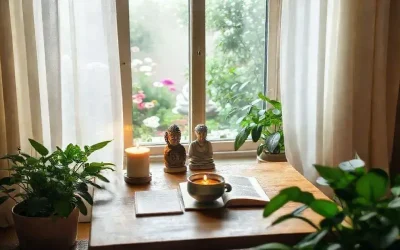
1. Designate a Serenity Space: Choose a corner of your home or office where you can create a sanctuary dedicated to peace. This could be adorned with calming items like a comfortable chair, soft lighting, plants, or meaningful artwork. Engage in regular mindfulness practices, reflecting on the Serenity Prayer in this space to reinforce tranquility.
2. Use Calming Colors: The colors in your environment can greatly influence your mood. Soft blues, greens, and neutrals tend to promote relaxation. Consider painting a room or using decor in these shades to create a serene backdrop. Each time you enter this space, let it remind you of the prayer’s message of acceptance and peace.
3. Integrate Nature: Nature has a natural calming effect. Incorporate elements like plants, flowers, or even a water feature to your environment. Spend time outdoors, practicing mindfulness while appreciating nature’s beauty. Take a moment to recite the Serenity Prayer amidst these natural surroundings, reinforcing its themes of serenity and acceptance.
4. Limit Clutter: Clutter can contribute to feelings of stress and chaos. Make a commitment to declutter your space, allowing for clearer surfaces and a more organized feel. As you remove items you no longer need, take the opportunity to reflect on what’s essential in your life, aligning with the prayer’s emphasis on acceptance and courage.
5. Create Soundscapes: Sound plays an essential role in mood. Curate a playlist of calming music, nature sounds, or guided meditations to play in your peaceful environment. You might even choose to listen to recordings of the Serenity Prayer being recited. These soothing sounds can foster a sense of calm and provide a gentle reminder of the tranquility the prayer promotes.
6. Foster Positive Relationships: The people around you can significantly impact your peace. Surround yourself with supportive and uplifting individuals who encourage acceptance and personal growth. Organizing gatherings where discussions of the Serenity Prayer take place can strengthen connections and promote shared values of peace and acceptance.
By deliberately crafting your environment with these principles in mind, you can create a sanctuary that not only reflects the teachings of the Serenity Prayer but also actively fosters a sense of calm and balance. A peaceful environment enhances your ability to manage stress, allowing you to embrace life’s challenges with greater resilience and clarity.
Conclusion
Embracing the teachings of the Serenity Prayer offers a path to transformation, guiding us from stress toward a greater sense of peace.
As we’ve explored, the prayer encourages acceptance of what we cannot change, empowers us to harness the courage to tackle challenges, and guides us in seeking wisdom in our decisions.
Integrating mindfulness practices, creating a serene environment, and sharing real-life stories of transformation further enrich our understanding of its impact.
The journey toward peace is ongoing, and by incorporating the principles of the Serenity Prayer into our daily lives, we can cultivate resilience and emotional well-being.
Whether it’s through setting aside quiet moments for reflection or actively creating a supportive environment, the prayer stands as a timeless source of comfort and guidance.
Ultimately, the Serenity Prayer can help us navigate life’s uncertainties gracefully, leading us toward a fulfilling and peaceful existence.
Frequently Asked Questions about the Serenity Prayer
What is the Serenity Prayer?
The Serenity Prayer is a prayer that seeks serenity for acceptance, courage to change, and wisdom to know the difference, helping individuals manage life’s challenges.
How can the Serenity Prayer help with stress management?
The Serenity Prayer promotes acceptance of situations we cannot control, encourages courage to address what we can change, and offers wisdom for making informed decisions, all of which help reduce stress.
Can I incorporate the Serenity Prayer into my daily routine?
Yes! You can start each day by reciting the prayer, create a reflection space, use reminders, and integrate mindfulness practices to keep its principles at the forefront of your mind.
How does mindfulness relate to the Serenity Prayer?
Mindfulness enhances the practice of the Serenity Prayer by helping individuals stay present, reduce anxiety, and accept their feelings, which aligns with the prayer’s themes of acceptance and peace.
What steps can I take to create a peaceful environment?
Designate a serene space, use calming colors, integrate nature, limit clutter, create soundscapes, and foster positive relationships to cultivate a peaceful atmosphere that reflects the prayer’s teachings.
Are there real-life examples of transformation through the Serenity Prayer?
Yes, many individuals have shared inspiring stories of how the Serenity Prayer has helped them overcome addiction, navigate career changes, cope with grief, and foster personal growth.