Contents
- 0.1 Daily prayer can significantly enhance personal peace and tranquility in our busy lives.
- 0.2 By establishing a consistent prayer routine and utilizing various techniques like guided prayer, breath prayers, and journaling, individuals can unlock emotional and spiritual benefits.
- 0.3 Overcoming barriers such as time constraints and distractions allows for a deeper connection to prayer. Integrating prayer into daily activities, from morning rituals to mealtime blessings, transforms ordinary moments into opportunities for reflection and gratitude, ultimately nurturing well-being, resilience, and spiritual growth.
- 1 Understanding the Importance of Prayer
- 2 Creating a Daily Prayer Routine
- 3 The Benefits of Regular Prayer
- 4 Prayer Techniques for Personal Peace
- 5 Overcoming Barriers to Prayer
- 6 Incorporating Prayer into Daily Life
- 7 Conclusion
- 8 Frequently Asked Questions about Prayer for Personal Peace
- 8.1 How can I start incorporating prayer into my daily life?
- 8.2 What are some techniques to enhance my prayer practice?
- 8.3 What if I struggle with distractions during prayer?
- 8.4 How do I address feelings of inadequacy in my prayer life?
- 8.5 Can prayer really reduce stress and anxiety?
- 8.6 What role does community play in my prayer practice?
Daily prayer can significantly enhance personal peace and tranquility in our busy lives.
By establishing a consistent prayer routine and utilizing various techniques like guided prayer, breath prayers, and journaling, individuals can unlock emotional and spiritual benefits.
Overcoming barriers such as time constraints and distractions allows for a deeper connection to prayer. Integrating prayer into daily activities, from morning rituals to mealtime blessings, transforms ordinary moments into opportunities for reflection and gratitude, ultimately nurturing well-being, resilience, and spiritual growth.
The daily power of prayer for personal peace is something many people seek, especially in today’s fast-paced world.
Whether you’re feeling anxious, stressed, or just need a moment of serenity, turning to prayer can be a great source of comfort and tranquility.
In this article, we’ll explore how establishing a daily prayer routine can positively impact your mental and emotional well-being.
From techniques that enhance your connection to mindfulness practices that incorporate prayer, you’ll discover various ways to invite peace into your everyday life.
Understanding the Importance of Prayer
Understanding the importance of prayer is essential for those looking to cultivate personal peace. At its core, prayer is a powerful tool for connection, reflection, and healing. It allows individuals to pause amidst the chaos of daily life, offering a moment to reconnect with their inner selves and a higher power.
Studies have shown that prayer can significantly reduce stress and anxiety levels. When we engage in prayer, our minds shift towards positive thinking and gratitude, fostering a sense of calm. Imagine standing at the edge of a busy street with cars zooming by, and then stepping into a quiet park. That’s akin to what prayer can do for your mental state—it creates a sanctuary in the midst of noise.
Furthermore, prayer cultivates a sense of purpose and direction. It helps in clarifying personal goals and aspirations while aligning your thoughts with your values. When you pray, it’s not just about asking for help or guidance; it’s about reinforcing your intentions and desires. This clarity can drive personal growth and foster inner peace.
Don’t underestimate the social aspect of prayer either. For many, praying together is a source of strength and community. Whether it’s in a family setting, among friends, or within a faith community, shared prayers create bonds and collective hope, making the process even more impactful.
In short, understanding the importance of prayer means recognizing its multifaceted benefits. It’s not just a ritual; it’s a pathway to finding personal peace, grounding yourself in the present, and cultivating a deeper connection with both yourself and a higher purpose.
Creating a Daily Prayer Routine

Creating a daily prayer routine is a meaningful way to enhance your spiritual practice and cultivate inner peace. Establishing consistency is key, and it doesn’t have to be overwhelming. Here are some practical steps to help you develop a routine that feels personal and fulfilling.
First, set a specific time for your prayers. Whether it’s first thing in the morning, during lunch, or before bed, choosing a time that works for you is essential. Think of it like scheduling an appointment with yourself—this time is dedicated to nurturing your spirit. Consistency is vital, so try to stick to your chosen time as much as possible.
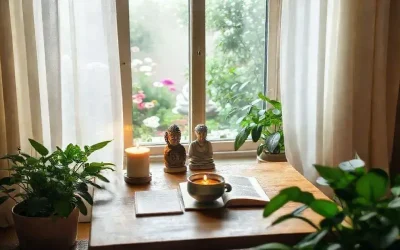
Next, create a comfortable and distraction-free space for your prayers. This could be a cozy corner in your home, a spot in the garden, or even a favorite chair. Having a designated place not only makes it easier to remember to pray, but it also creates a tranquil atmosphere where you can focus. You might want to add elements like candles, soft lighting, or inspirational quotes to enhance the ambiance.
Your prayer routine can be as structured or as flexible as you like. Some people prefer to follow a specific format, such as starting with gratitude, followed by requests, and closing with reflection. Others may opt for free-form prayers where they express thoughts and feelings spontaneously. The key is to do what feels right for you. If you’re unsure how to start, try writing out a simple prayer or using guiding literature that resonates with you.
In addition to set prayers, consider including moments of silence or meditation. This allows you to take a step back, listen to your inner voice, and feel that connection more deeply. Using these quiet moments can enhance your experience, allowing the power of prayer to wash over you.
Finally, track your progress and feelings. Keeping a prayer journal can be immensely helpful. Jot down your prayers, insights, and any feelings that arise before or after your sessions. Reflection can reinforce the significance of your practice and help you stay motivated. As you continue to pray daily, you may find your routine evolving—embrace this growth as part of your spiritual journey.
Overall, creating a daily prayer routine is a deeply personal endeavor. It’s a beautiful way to anchor your day, seek guidance, find peace, and connect with something greater than yourself.
The Benefits of Regular Prayer
The benefits of regular prayer extend far beyond the spiritual realm; they can have profound impacts on your mental, emotional, and even physical well-being. Engaging in prayer regularly fosters a routine that encourages introspection, connection, and growth.
One of the most significant benefits is the reduction of stress and anxiety. When you set aside time to pray, it acts as a form of meditation, allowing you to clear your mind and focus on the present moment. This calming effect can lead to lower cortisol levels and a reduced heart rate, making it easier to navigate life’s challenges.
Regular prayer can also enhance your emotional resilience. By consistently reflecting on your thoughts and feelings, you’re more likely to develop a positive mindset. Prayer provides an outlet for your worries, fears, and hopes, allowing you to articulate them and find clarity. As you practice this regularly, it can help you face difficult situations with greater confidence and peace.
Moreover, prayer fosters a sense of gratitude. When you take time to acknowledge the good in your life, it shifts your focus away from negative thoughts. This mindset of gratitude can enhance your overall happiness and satisfaction. People who regularly express gratitude are often more optimistic and socially connected, contributing to a more fulfilled life.
Another important benefit is the sense of community that can arise from praying regularly. Whether through group prayer services or shared moments of reflection with family and friends, these communal experiences can deepen bonds and create a support network. Knowing that others are holding you in their thoughts and prayers can be incredibly uplifting during tough times.
Lastly, regular prayer can lead to heightened spiritual awareness. As you connect with your beliefs and values consistently, you may find yourself more attuned to your spiritual journey. This deeper awareness can provide direction and purpose, helping to clarify your life goals and enhance your decision-making process.
In conclusion, integrating regular prayer into your life offers a plethora of benefits, ranging from stress reduction and emotional resilience to fostering a sense of community and spiritual awareness. Making it a consistent part of your daily routine can pave the way for a more peaceful and fulfilling life.
Prayer Techniques for Personal Peace

When exploring prayer techniques for personal peace, it’s essential to find approaches that resonate with you. Different techniques can help create a deeper sense of calm and connection, allowing you to experience the full benefits of prayer.
One popular technique is the guided prayer. This method involves using resources like books, apps, or online videos that offer structured prayers and reflections. They often incorporate themes like gratitude, forgiveness, and mindfulness, helping to focus your mind and heart on specific intentions.
Another effective technique is the breath prayer. This approach combines prayer with deep breathing, enhancing relaxation and presence. To practice, choose a simple phrase or scripture that embodies your intention, such as “Peace be still”. As you breathe in, say the first part of the phrase silently, and as you exhale, say the rest. This rhythmic process not only calms the mind but can also anchor your thoughts in tranquility.
Journaling prayer is another powerful technique. Writing down your prayers allows for deeper reflection and personal insight. It can help you articulate your feelings more clearly and track your spiritual growth over time. Start with a few sentences about what you’re thankful for, what you’re struggling with, or simply express your thoughts freely. You might be surprised at the clarity that emerges through writing.
Visualization is also a popular technique to enhance prayer. Imagine a peaceful scene—a serene lake, a mountain view, or a warm light enveloping you. As you prayerfully visualize this scene, it can transport your mind to a place of calm and reassurance. This technique can help engage your senses, promoting relaxation and emotional healing.
Lastly, consider incorporating silent meditation into your prayer practice. Silent meditation allows you to sit in stillness, focusing on your breath or a sacred word. After some time of meditation, you can transition into spoken prayer. This technique nurtures your capacity for peace, quieting the chatter of the mind before entering a heartfelt dialogue with the divine.
Ultimately, the key is to experiment with these techniques and find what works best for you. Integrating varied prayer techniques into your routine can enhance your experience, leading to greater personal peace and a more profound spiritual connection.
Overcoming Barriers to Prayer
Overcoming barriers to prayer is crucial for anyone seeking to cultivate a consistent and meaningful prayer life. Many people face obstacles that can hinder their ability to pray regularly, but recognizing and addressing these challenges can help you achieve a deeper connection with your faith and inner peace.
One common barrier is time constraints. In our fast-paced world, finding time for prayer can feel impossible. To tackle this, it may help to integrate prayer into your existing routine. Consider setting your alarm 10 minutes earlier or taking a few moments during your lunch break to connect with your spirituality. You could even utilize short prayer moments throughout your day, like while commuting or waiting in line.
Another challenge is the struggle with distraction. It’s easy to get sidetracked by daily responsibilities, worries, and technology. Creating a specific prayer space can help minimize distractions. Make this area conducive to prayer by keeping it tidy and quiet, far from technology and noisy environments. Silent prayer or meditation can also be beneficial to train your mind to remain focused, gradually lessening the impulse to become distracted.
Some individuals also experience feelings of guilt or inadequacy when it comes to prayer. You may worry that your prayers aren’t ‘good enough’ or fear that you’re not praying correctly. Remember, prayer is a personal conversation, and there isn’t a right or wrong way to do it. Accept that your journey with prayer is uniquely yours. Embrace authenticity in your prayers, whether they’re eloquent or simply a few heartfelt words.
A lack of clarity about your faith may also hinder your ability to pray. If you’re struggling with doubt or questioning your beliefs, consider seeking guidance from spiritual leaders, reading faith-based literature, or joining a community group that supports your exploration. Engaging with others can provide encouragement, insight, and the sense of belonging that nourish your spiritual growth.
Lastly, consider the barrier of emotional turmoil. When you’re feeling overwhelmed, it can be challenging to focus on prayer. During tough times, try starting with simple, candid prayers about your current feelings. Acknowledge your emotions instead of avoiding them. This honesty can help pave the way for a more authentic connection with a higher power.
In summary, overcoming barriers to prayer involves recognizing common obstacles and approaching them with patience and creativity. By prioritizing your prayer life and finding ways to navigate these challenges, you can open the door to richer spiritual experiences and deeper personal peace.
Incorporating Prayer into Daily Life

Incorporating prayer into daily life can transform the way you experience your day, infusing it with purpose, peace, and connection. It doesn’t have to be an elaborate ritual; rather, it can be seamlessly woven into your routines. Here are some practical strategies to help you make prayer a regular part of your day.
One effective way to integrate prayer is by establishing morning rituals. Start your day with a few moments of reflection or gratitude. As soon as you wake up, take a deep breath and express your intentions for the day through a short prayer. This practice sets a positive tone and aligns your mindset, allowing you to approach the day with intention and focus.
You can also use everyday activities as opportunities for prayer. For example, if you’re driving, consider turning your commute into a time for prayer. Focus on your journey, thankfulness for the day ahead, or offer prayers for your loved ones. This can transform a mundane task into a sacred moment.
Another way to incorporate prayer is by establishing mealtime prayers. Whether it’s a quick thank you for the food or a more elaborate blessing, taking a moment to pray before meals not only nurtures gratitude but also reinforces mindfulness about the sustenance provided. It can also bring loved ones together, creating a shared spiritual experience.
Creating graceful interruptions throughout your day can also help. Setting reminders on your phone or placing sticky notes in visible spots can prompt you to pause for a quick prayer or reflection. These moments of intentionality can ground you amidst a busy day and serve as reminders of your spiritual focus.
Don’t forget prayer during challenging times. When you face obstacles or stressors throughout the day, intentionally stop and pray. This can redirect your energy, helping you process emotions and seek guidance. A simple sentence like, “Help me find peace in this moment,” makes a powerful impact.
Lastly, incorporate community prayer. Whether it’s a group gathering at your local place of worship or a call with friends or family to pray together, sharing prayer fosters connection and support. This communal aspect can reinforce your motivation and create accountability, encouraging you to keep prayer central in your life.
In essence, incorporating prayer into daily life is about finding those small moments and making room for spiritual connection. By integrating prayer into everyday activities, you can cultivate a deeper sense of peace and mindfulness, leading to a richer and more fulfilling spiritual journey.
Conclusion
Incorporating prayer into your daily life offers a multitude of benefits that elevate your spiritual journey and personal peace. By understanding the importance of prayer, developing a consistent routine, and embracing various techniques, you create a pathway to inner tranquility.
While challenges may arise—such as time constraints, distractions, or emotional barriers—recognizing and addressing these obstacles can foster resilience and determination.
Ultimately, the process of integrating prayer into your life is about intentionality and authenticity. Whether through morning rituals, mealtime blessings, or silent moments throughout the day, every effort to pray adds depth and meaning to your experience.
By making prayer a regular practice, you can cultivate a deeper connection with yourself and a higher power, leading to a more peaceful and fulfilling existence.
As you continue on this journey, remember that the essence of prayer lies in openness and sincerity. Allow your practice to evolve, and be gentle with yourself as you navigate the beautiful path of spiritual growth.
Frequently Asked Questions about Prayer for Personal Peace
How can I start incorporating prayer into my daily life?
Begin by setting aside specific times for prayer, such as in the morning or before meals. Look for opportunities to pray during daily activities.
What are some techniques to enhance my prayer practice?
Consider techniques like guided prayer, breath prayers, journaling, visualization, and silent meditation to enrich your prayer experience.
What if I struggle with distractions during prayer?
Create a designated prayer space, minimize external distractions, and practice short meditation exercises to help maintain focus.
How do I address feelings of inadequacy in my prayer life?
Remember that there is no right or wrong way to pray. Embrace authenticity and allow your prayers to be personal expressions of your thoughts and feelings.
Can prayer really reduce stress and anxiety?
Yes! Regular prayer can have calming effects, reducing stress and anxiety while promoting a sense of peace and emotional resilience.
What role does community play in my prayer practice?
Participating in community prayer can enhance your experience by creating connections and providing support, reinforcing your commitment to regular prayer.