Contents
- 1 Prayer as a Tool for Mindfulness
- 2 Creating a Daily Prayer Routine
- 3 The Benefits of Group Prayer
- 4 Prayer and Mental Health
- 5 Finding Peace Through Prayer
- 6 Prayer in Times of Crisis
- 7 Conclusion
- 8 Frequently Asked Questions about the Power of Prayer
- 8.1 How can prayer benefit my mental health?
- 8.2 What are some tips for creating a daily prayer routine?
- 8.3 What are the benefits of group prayer?
- 8.4 How does prayer help in times of crisis?
- 8.5 Can prayer improve my perspective on difficult situations?
- 8.6 Is it necessary to have a specific place for prayer?
Prayer enhances everyday life by offering comfort, mental clarity, and peace. It acts as a mindfulness tool, fostering emotional balance and connections with oneself and others. Establishing a daily prayer routine, seeking tranquility in crises, and participating in group prayer can lead to mental health benefits like reduced stress and increased resilience. Prayer promotes reflection, a broader perspective on challenges, and a sense of community, ultimately nurturing spiritual growth and inner peace.
The power of prayer in everyday life is a profound force that many people tap into for guidance, comfort, and strength.
In today’s fast-paced world, prayer can serve as a grounding practice, helping individuals find peace and clarity amidst chaos.
Whether it’s a quick moment of gratitude or an elaborate meditation, the habit of prayer enriches our lives in countless ways.
Join us as we explore how integrating prayer into our daily routines can transform our mindset, nurture our relationships, and provide solace in difficult times.
Prayer as a Tool for Mindfulness
Prayer as a Tool for Mindfulness is a powerful concept that many individuals use to anchor themselves in the present moment.
When you engage in prayer, it often becomes a meditative practice that allows you to focus your thoughts and intentions, filtering out the distractions of daily life. This mindful approach can lead to a deeper sense of awareness and connection to oneself and the world around you.
For instance, consider taking a few moments each day to pause and reflect before your prayers. Think about what you’re grateful for, the challenges you’re facing, and the hopes you have for the future. This intentional practice not only enhances your spiritual focus but also cultivates a mindful attitude, helping you appreciate the little things in life that often go unnoticed.
Additionally, studies have shown that mindfulness practices, including prayer, can significantly reduce stress and anxiety levels. By dedicating time to prayer, you remove yourself from the hustle and bustle, creating a sanctuary for your thoughts and feelings. It’s in this quiet space that you can explore your inner self, leading to much-needed clarity.
Another aspect of prayer as mindfulness is its ability to foster compassion and empathy. When we pray for others, we shift our focus away from our problems and develop a greater understanding of the experiences of those around us. This not only enhances our emotional well-being but also strengthens our connections with others.
In essence, incorporating prayer into your daily routine can transform it into a profound tool for mindfulness, encouraging reflective thought, emotional balance, and deeper human connection.
Creating a Daily Prayer Routine

Creating a Daily Prayer Routine can enhance your spiritual life and bring a sense of stability to your day. Establishing a set time for prayer allows you to integrate this meaningful practice into your daily schedule, making it a priority rather than an afterthought.
Start by choosing a specific time of day that works best for you—whether it’s first thing in the morning, during lunch breaks, or before bed. Consistency is key! For example, if you wake up and dedicate the first five minutes of your day to prayer, you set a positive tone for the hours ahead. It’s all about finding a moment that feels right for reflection and connection.
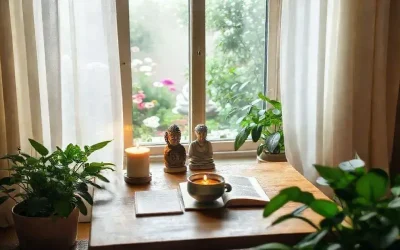
Next, consider creating a dedicated space for your prayers. This doesn’t have to be extravagant. A simple corner of your room with a comfortable chair, some candles, or a small altar can serve as your personal sanctuary. Having a physical space can deepen the sense of intention surrounding your practice.
Moreover, varying your prayer methods can keep your routine fresh and engaging. You might alternate between prayers of gratitude, intercessory prayers for others, or even meditative prayer where you focus on quieting your mind. Journaling your prayers can also add a reflective layer to your routine. Write down your thoughts and feelings, track your progress, or note responses to your prayers. It helps you stay focused and provides a tangible record of your journey.
If you find that time is short, don’t stress! Short, heartfelt prayers can be just as powerful. It could be a quick request for guidance before a challenging situation or a simple expression of thanks throughout your day. The important thing is to be genuine in your communication with the divine.
By creating a daily prayer routine that suits your lifestyle and preferences, you not only engage with your spirituality but also nurture a profound habit that brings peace, clarity, and joy to your everyday life.
The Benefits of Group Prayer
The Benefits of Group Prayer are manifold, creating a unique opportunity for individuals to come together with a shared purpose and intention. Engaging in prayer as a community can amplify the spiritual experience, allowing participants to feel a deeper sense of connection not only to one another but also to a higher power.
Firstly, group prayer fosters a sense of belonging. When people gather to pray, they’re not just connecting spiritually; they’re building relationships. This collective experience helps individuals feel less isolated in their struggles and joys, promoting a supportive network. For many, this sense of community can be incredibly comforting, especially during tough times.
Additionally, group prayer can enhance the power of intention. When multiple people focus their thoughts and prayers on a specific issue or individual, it creates a collective energy that can be emotionally and spiritually uplifting. Think about it: the more voices raised in unity, the stronger the plea or gratitude becomes. This shared intention can have profound effects, leading to increased hope and encouragement among participants.
Moreover, participating in group prayer can also provide diverse perspectives. Different individuals bring their unique experiences, beliefs, and practices, enriching the prayer experience. This exchange can deepen one’s understanding of faith and spirituality, offering insights that one might not have encountered alone.
There’s also the benefit of accountability. When you commit to praying with others, it establishes a routine that can encourage you to engage more regularly with your spirituality. You’re more likely to show up for group prayer and stay committed to your personal practice when you’re part of a team. It’s like having a spiritual workout buddy; you motivate each other to grow.
Finally, group prayer can serve as a powerful reminder of the importance of gratitude and selflessness. When praying for the needs of others in a group, individuals often shift their perspective, focusing less on their own problems and more on collective well-being. This cultivates a spirit of compassion and empathy, enriching not only the individual’s heart but the whole community.
In summary, group prayer is more than just a spiritual exercise; it’s a communal act of love, support, and growth. It strengthens bonds and nurtures the soul, making it an invaluable part of one’s spiritual journey.
Prayer and Mental Health

Prayer and Mental Health are closely intertwined, with numerous studies highlighting the positive impacts of prayer on emotional well-being. Engaging in prayer can serve as a powerful tool for managing stress, anxiety, and depression, providing individuals with a sense of peace and purpose.
One of the primary ways prayer benefits mental health is through its ability to foster a sense of connection. When you pray, you’re often reaching out to something greater than yourself, which can provide comfort and alleviate feelings of isolation. This connection can help people see beyond their struggles, reminding them that they are not alone in their challenges.
Moreover, prayer can offer a healthy outlet for expressing emotions. Many individuals find it easier to articulate their thoughts and feelings through prayer than through conversations with others. This form of expression can be deeply cathartic, allowing for emotional release and helping to process complex feelings.
Furthermore, prayer promotes mindfulness, which has been shown to reduce symptoms of anxiety and depression. When individuals take the time to center themselves in prayer, they engage in a form of meditation that encourages presence and focus. This practice can decrease racing thoughts and the overwhelming nature of worries, leading to a more calm and centered mindset.
Studies also suggest that prayer may lead to improved coping strategies. By relying on spiritual beliefs and practices, individuals can develop a sense of resilience when facing life’s difficulties. This coping mechanism can help people navigate challenges with a more optimistic outlook, fostering a belief in their ability to overcome obstacles.
Additionally, the communal aspect of prayer, especially in group settings, can enhance these mental health benefits. Engaging with a supportive community can reduce feelings of loneliness and promote a sense of belonging, which plays a crucial role in mental well-being. Having a group that prays together can provide emotional support and encouragement, creating a strong safety net for those struggling.
In essence, integrating prayer into one’s daily life not only nourishes the soul but also acts as a powerful resource for mental health. By promoting connection, emotional expression, mindfulness, and resilience, prayer can significantly contribute to a healthier and happier state of being.
Finding Peace Through Prayer
Finding Peace Through Prayer is a fundamental aspect of many spiritual practices, offering individuals a sanctuary from the noise and chaos of everyday life. In moments of turmoil or uncertainty, turning to prayer can provide a profound sense of calm and reassurance, enabling a person to reconnect with their inner self and find balance.
One of the key ways prayer fosters peace is by creating a quiet space for reflection. When you set aside time to pray, you momentarily step away from the demands of the world. This intentional act encourages you to slow down, breathe deeply, and focus your thoughts. Many people find that this ritual helps to clear their minds, allowing them to approach their challenges with a fresh perspective.
Additionally, prayer can help to alleviate anxiety. As you express your fears and worries through prayer, you often begin to release the weight of those burdens. This act of surrender—trusting that a higher power will guide you through your struggles—can lead to a significant reduction in stress. Think of it as a mental decluttering; shedding the weight of your thoughts can be incredibly liberating.
Moreover, prayer can instill a sense of hope. When you pray for guidance, strength, or healing, you’re essentially affirming your belief that things can improve. This forward-looking mindset can create a sense of peace amid the unpredictability of life, empowering you to move forward with optimism and faith.
The act of gratitude during prayer also plays a crucial role in finding peace. By focusing on what you are thankful for, you can shift your mindset from one of lack to one of abundance. This shift can dramatically alter your emotional state, fostering a sense of contentment and fulfillment that permeates your daily life.
Furthermore, incorporating specific prayers for peace can deepen this process. Whether it’s reciting a traditional prayer or crafting your own words, focusing your prayers on tranquility can help center your thoughts. Imagine visualizing peace enveloping you during your prayer time, promoting a sense of serenity that extends beyond those moments.
In conclusion, finding peace through prayer is not just about seeking moments of stillness; it’s about cultivating a routine that nurtures your spiritual and emotional well-being. By embracing prayer as a daily practice, individuals can unlock the profound serenity that lies within, fostering a tranquil heart and mind amidst life’s storms.
Prayer in Times of Crisis

Prayer in Times of Crisis serves as a powerful source of comfort and strength during life’s toughest moments. Whether facing personal challenges, health issues, or global events, prayer can provide solace, grounding, and a sense of connection to something greater than ourselves.
When crises arise, it’s common to feel overwhelmed, anxious, or even lost. In these vulnerable moments, turning to prayer can create a safe space to express your fears and seek guidance. For many, articulating distress through prayer helps transform feelings of helplessness into a sense of hope and empowerment. It’s like reaching out a lifeline during a storm, reminding you that support is available.
Moreover, prayer serves as a tool for perspective. In times of crisis, it can be easy to focus solely on the negative aspects of a situation. However, praying encourages individuals to step back and broaden their worldview. It allows for contemplation on the bigger picture, helping to foster resilience and the understanding that challenges are a part of life’s journey.
During collective crises, such as natural disasters or pandemics, group prayers can further enhance this sense of community and support. Coming together with others to pray fosters unity and shared hope among individuals who are facing the same trials. This collective energy can be incredibly healing, providing comfort in knowing you’re not alone.
Additionally, studies show that prayer can have physiological effects—reducing stress, lowering blood pressure, and supporting mental clarity. Engaging in prayer during a crisis not only nurtures the spirit but can also positively influence overall health. It’s a win-win that offers both emotional and physical security.
Furthermore, prayer can inspire action. Often, individuals are driven to help others when praying, sparking a desire to contribute positively to the situation. This proactive approach not only aids those in need but can also bring a sense of fulfillment and purpose to the individual praying.
Ultimately, prayer in times of crisis becomes a lifeline—offering reflection, community, and a constructive outlet during difficult times. By embracing prayer as a source of strength and stability, individuals can navigate life’s challenges with renewed hope and courage.
Conclusion
In summary, the power of prayer can significantly enhance our everyday lives, providing comfort, mental clarity, and a deep sense of peace.
Whether through individual practice or communal gatherings, prayer serves as a vital tool for mindfulness and emotional balance. It fosters a connection to oneself and the world, empowering individuals to navigate challenges with hope and resilience.
From establishing a daily prayer routine to finding tranquility in times of crisis, the various facets of prayer highlight its versatility and importance in fostering a healthy mental state and spiritual well-being.
As we explore the benefits of prayer—ranging from improving mental health to strengthening our relationships—it’s clear that making prayer a priority can lead to profound personal transformation.
Ultimately, embracing prayer as part of our daily lives not only nurtures our spiritual journey but also brings us closer to peace, connection, and community.
So, take a moment each day to pause, reflect, and pray—your mind and spirit will thank you for it!
Frequently Asked Questions about the Power of Prayer
How can prayer benefit my mental health?
Prayer can reduce stress and anxiety, provide emotional expression, and promote mindfulness, contributing positively to overall mental well-being.
What are some tips for creating a daily prayer routine?
Choose a specific time for prayer, establish a dedicated space, vary your prayer methods, and journal your thoughts to enhance your experience.
What are the benefits of group prayer?
Group prayer fosters a sense of community, amplifies collective intention, provides accountability, and offers diverse perspectives on spirituality.
How does prayer help in times of crisis?
Prayer provides comfort, helps maintain perspective, inspires connection with others, and can encourage proactive responses to challenges.
Can prayer improve my perspective on difficult situations?
Yes, prayer encourages reflection and helps individuals step back, allowing them to see the bigger picture and foster resilience.
Is it necessary to have a specific place for prayer?
While it’s not necessary, having a dedicated space can enhance your prayer experience by providing a calming environment for focus and reflection.