Contents
- 0.1 The exploration of traditional prayers reveals their essential role in fostering connections with faith, history, and community, serving as tools for personal reflection and collective support during crises.
- 0.2 Modern adaptations demonstrate the evolution of spirituality, incorporating mindfulness and technology, while personal stories highlight the transformative power of prayer in promoting growth, resilience, and community engagement, ultimately showcasing prayer as a timeless bridge to the divine across cultures and generations.
- 1 Understanding Traditional Prayers
- 2 The Historical Significance of Prayer
- 3 How Prayer Strengthens Faith
- 4 Modern Adaptations of Traditional Prayers
- 5 Personal Stories of Prayer Impact
- 6 The Role of Community in Prayer Practice
- 7 Conclusion
- 8 FAQ – Questions About the Power of Traditional Prayers
The exploration of traditional prayers reveals their essential role in fostering connections with faith, history, and community, serving as tools for personal reflection and collective support during crises.
Modern adaptations demonstrate the evolution of spirituality, incorporating mindfulness and technology, while personal stories highlight the transformative power of prayer in promoting growth, resilience, and community engagement, ultimately showcasing prayer as a timeless bridge to the divine across cultures and generations.
The power of traditional prayers stretches beyond mere words; it connects us to our faith and the rich tapestry of our history.
Throughout different cultures and eras, prayer has served as a lifeline, offering hope, solace, and unity.
In this article, we will delve into the historical significance of prayer, explore how it strengthens our faith, and share personal anecdotes that highlight its enduring influence.
Understanding Traditional Prayers
Understanding traditional prayers is essential for appreciating their role in spiritual practices across cultures. These prayers often reflect the values, beliefs, and history of a community, serving as a bridge between the divine and individuals.
Traditionally, prayers are structured forms of communication with a higher power, encompassing requests, gratitude, and confessions. They can be spontaneous, arising from personal feelings or needs, or formal, following established rituals passed down through generations.
For instance, many religions utilize specific prayers during significant life events, such as weddings, funerals, or holidays. These prayers not only mark important occasions but also provide a sense of continuity and belonging within a community.
Moreover, traditional prayers often employ linguistic elements that resonate with cultural identity. From ancient hymns to modern liturgies, these expressions of faith encapsulate the essence of communal beliefs and individual commitments.
Understanding these intricacies allows individuals to appreciate how traditional prayers shape personal and collective identities, fostering a deeper connection to faith and history.
The Historical Significance of Prayer
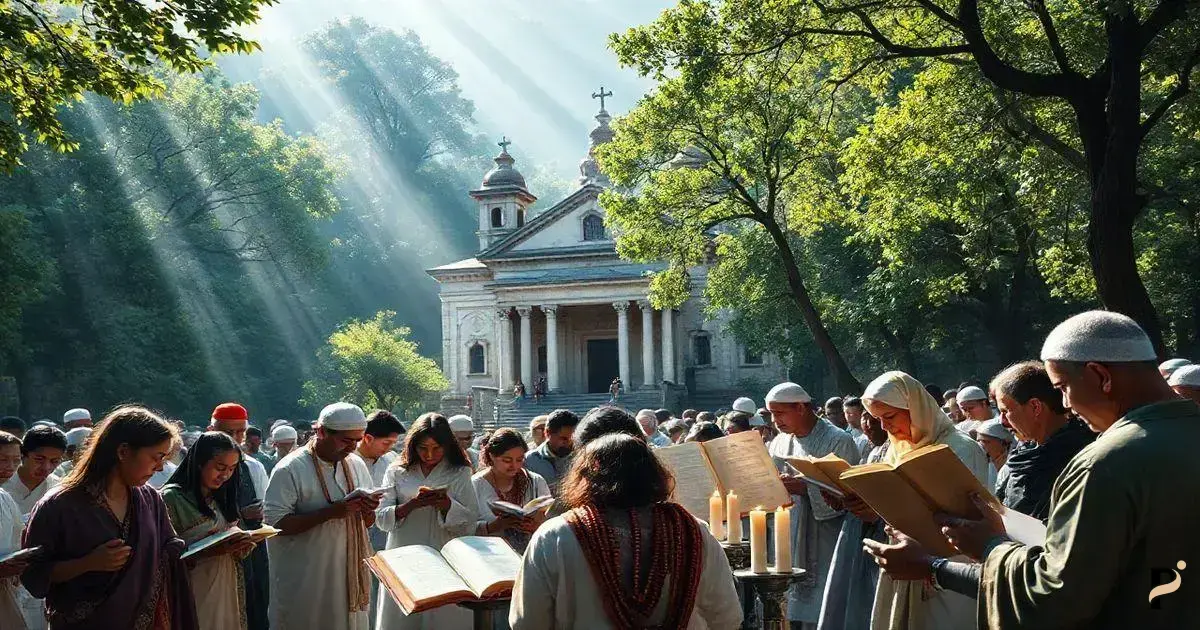
The historical significance of prayer cannot be overstated; it has played a pivotal role in shaping societies, cultures, and individual lives throughout human history.
From ancient civilizations to modern religions, prayer has been a constant thread woven into the fabric of everyday life.
Historically, prayers often served as a means of communication with the divine, providing a structured way for individuals and communities to express their hopes, fears, and gratitude.
In ancient times, rituals accompanied by prayer were believed to influence the gods and secure favor during critical moments, such as battles, harvests, or natural disasters.
For example, the ancient Egyptians prayed to their gods for protection and prosperity, embedding these invocations deeply into their cultural practices.
Similarly, indigenous cultures around the world have used prayers as a way to connect with nature, showing gratitude for the Earth’s resources and seeking guidance from ancestral spirits.
As societies evolved, the significance of prayer transformed, but the core essence remained.
In many religious texts, prayer is depicted as an essential component of faith, often linked to moral and ethical guidelines.
This connection highlights how prayer not only communicates desires to a higher power but also reinforces community values and beliefs.
Furthermore, during times of social upheaval or crisis, prayer has often served as a source of comfort and solidarity.
Historical events, such as wars or pandemics, have seen communities come together in prayer to find strength and resilience in the face of adversity.
In conclusion, exploring the historical significance of prayer reveals how it serves as a vital tool for connection—both with the divine and with each other—across time and cultures, solidifying its place as a cornerstone of human experience.
How Prayer Strengthens Faith
How prayer strengthens faith is a profound exploration of the intimate relationship between spiritual practice and belief systems. Engaging in regular prayer can deepen one’s connection to faith, providing individuals with reassurance, guidance, and a sense of belonging.
Firstly, prayer serves as a daily reminder of one’s beliefs. When people take the time to pray, they reflect on their faith and values, reinforcing their commitment to those ideals. This routine creates a spiritual discipline that nurtures growth and encourages individuals to live in alignment with their beliefs.
Moreover, prayer often fosters a sense of community. Whether through group worship or personal prayer circles, the act of praying with others invites individuals to share their experiences and support one another. This communal aspect can significantly boost one’s faith, as shared beliefs and collective prayer amplify spiritual energy, creating a powerful atmosphere of encouragement.
Additionally, prayer can provide a sense of peace and comfort in times of uncertainty. People often turn to prayer during moments of despair or confusion, seeking solace and direction. This act of reaching out to a higher power can cultivate trust and reliance on something greater than oneself, reinforcing faith during challenging times.
Studies have even shown that individuals who engage in regular prayer tend to experience lower levels of stress and improved emotional health. This psychological benefit creates a feedback loop: the more individuals pray, the more they feel supported and connected to their faith.
In essence, prayer acts as both a personal and communal practice that nurtures and strengthens faith. Through reflection, shared experiences, and comfort during tumultuous times, prayer ultimately solidifies an individual’s relationship with their beliefs, enriching their spiritual journey.
Modern Adaptations of Traditional Prayers
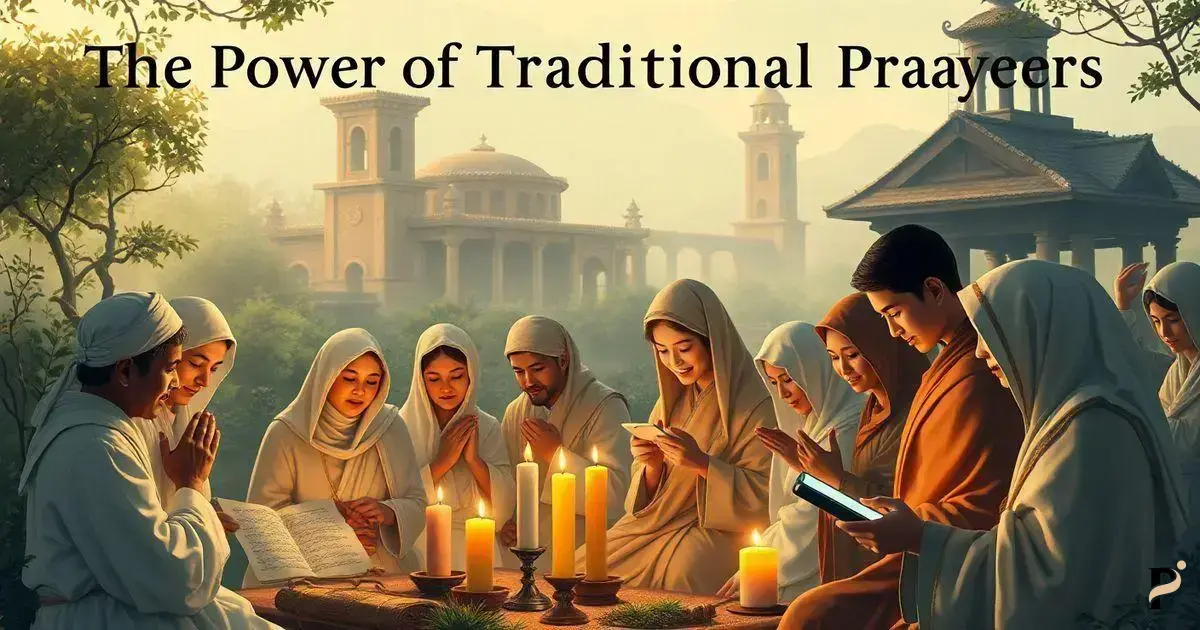
Modern adaptations of traditional prayers reflect the evolving nature of spirituality in today’s fast-paced world. While the essence of prayer remains rooted in connecting with the divine, many individuals and communities are adapting these practices to resonate with contemporary life.
One significant adaptation is the incorporation of mindfulness and meditation techniques into prayer. Many people now blend traditional prayers with mindfulness practices, embracing a holistic approach to spirituality. This combination encourages individuals to focus on the present moment during prayer, fostering a deeper sense of inner peace and connection.
Another trend is the use of technology in prayer. With the rise of apps and online platforms, traditional prayers are now accessible to a broader audience. Individuals can join virtual prayer groups or find resources to learn various prayer techniques from the comfort of their homes. This accessibility has opened up new avenues for those seeking connection and community in their spiritual lives.
Additionally, many modern practitioners are rewriting traditional prayers or creating new ones that reflect contemporary values and inclusivity. These adaptations often focus on social justice, environmental consciousness, and global unity, allowing individuals to express their concerns and hopes while remaining connected to their faith.
For instance, some religious groups have reimagined prayers to address issues such as climate change, advocating for stewardship of the Earth within their spiritual practices. This evolution showcases how prayer can adapt to address the realities of modern life while still honoring its historical roots.
Lastly, music and art have also become vital mediums for modern adaptations of prayer. Many individuals find that integrating music or visual art into their prayer practice enhances their connection to the divine, making the experience richer and more personal. These creative expressions allow for a profound exploration of spirituality that transcends traditional boundaries.
In summary, modern adaptations of traditional prayers illustrate the dynamic nature of spirituality today. By incorporating mindfulness, technology, inclusivity, and creativity, individuals are finding new ways to connect with their faith, ensuring that prayer remains a relevant and meaningful practice in contemporary life.
Personal Stories of Prayer Impact
Personal stories of prayer impact reveal the profound role that prayer can play in individual lives, often illustrating how deeply intertwined it is with personal experiences and transformative moments.
These anecdotes highlight not only the power of faith but also the tangible effects of prayer in times of need.
Take, for example, the story of Sarah, a young mother who faced a serious health crisis. After receiving a daunting diagnosis, Sarah felt overwhelmed and lost. Seeking comfort, she turned to prayer, devoting time each day to connect with her faith. As she prayed, she felt a surge of strength and hope that helped her navigate her treatment. She credits her recovery not only to medical professionals but also to the unwavering support of her prayer community, which lifted her spirits during the toughest times.
Similarly, there’s the tale of David, a college student grappling with anxiety and depression. Struggling with his mental health, David felt isolated and disconnected. One day, he decided to join a campus prayer group, hoping to find solace amongst peers. Through collective prayer and sharing personal struggles, he discovered a support system that transformed his outlook on life. David now emphasizes the importance of prayer in his journey to recovery, noting how it has instilled a sense of belonging and purpose within him.
In another instance, Maria, a devoted volunteer, shares how prayer has inspired her philanthropic work. After participating in a prayer retreat focused on social justice, she felt compelled to act. The retreat provided her with not only motivation but also a clear vision. Maria went on to organize community outreach programs, believing that her prayers for change ignited a drive to make a difference. Through her efforts, she has witnessed firsthand the impact of combining faith with action, showing how prayer can lead to transformative community efforts.
Finally, there’s the story of Paul, who, after losing his job, turned to prayer for guidance. Feeling uncertain about his future, he began to pray for direction and clarity. Gradually, he found comfort in the stillness and was led to explore a new career path he had never considered before. Paul attributes his newfound success to what he describes as divine intervention, affirming that prayer opened doors he initially wouldn’t have imagined.
These personal stories illuminate the diverse ways prayer can impact lives, reinforcing the belief that connecting with the divine can provide healing, inspiration, and a true sense of community. Each individual’s journey speaks to the multifaceted power of prayer, showcasing its ability to foster resilience and transformation.
The Role of Community in Prayer Practice
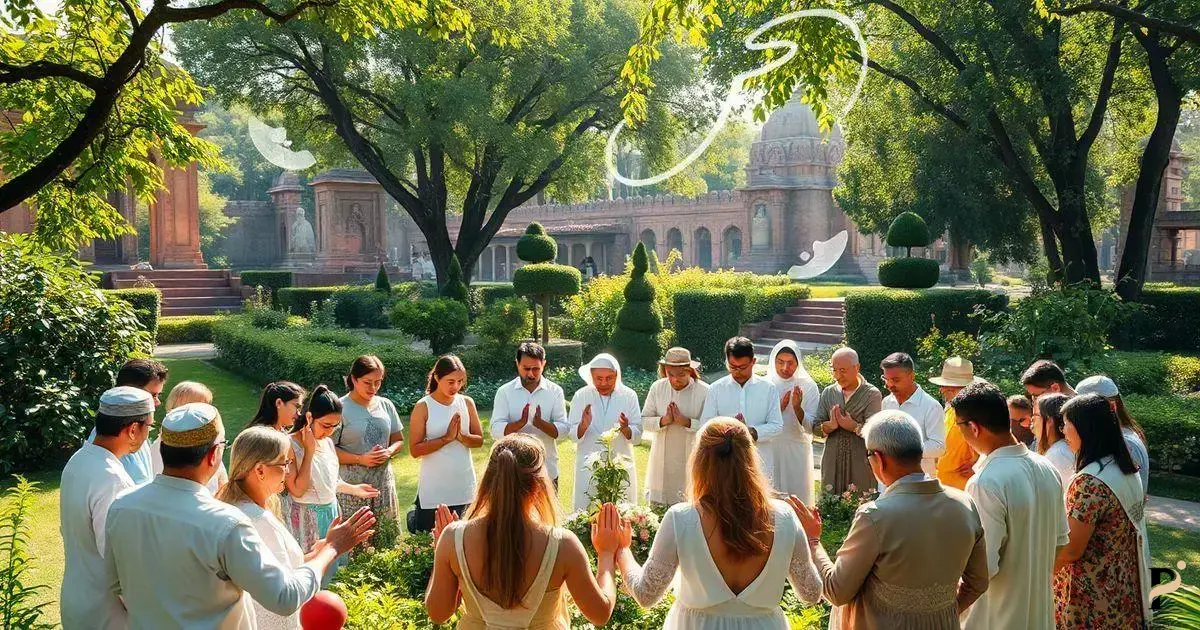
The role of community in prayer practice is a crucial aspect that enriches the spiritual experience for many individuals. When people come together to pray, the collective energy and shared intentions can create a powerful atmosphere that enhances personal and communal faith.
One primary benefit of community prayer is the sense of belonging it fosters. In many religious traditions, gathering for prayer—whether in houses of worship, community centers, or even informal gatherings—serves as a reminder that individuals are part of something greater than themselves. This connection not only strengthens personal faith but also nurtures supportive relationships among community members.
Consider the example of local churches or synagogues where prayer circles or group services are held. Members often share personal stories, struggles, and triumphs, creating an environment of empathy and support. During these gatherings, individuals can pray for one another’s needs, creating bonds that extend beyond the prayer session. This exchange of vulnerability fosters deeper connections and cultivates a loving support system.
Moreover, communal prayer can also amplify the impact of individual intentions. There’s something uniquely uplifting about joining voices in prayer, as the collective spirit can resonate powerfully. This dynamic is often observed during significant religious events, like holidays or festivals, where large groups gather to pray together. The shared experience can motivate individuals to strengthen their own practice and commitment to faith.
In times of crisis or hardship, community prayer becomes even more significant. When faced with challenges such as illness, loss, or social unrest, coming together in prayer allows members to collectively channel their hopes, support, and healing energies. Stories abound of communities rallying to pray for local or global issues, creating a unified front that fosters solidarity and encouragement.
Furthermore, community prayer often enables learning and personal growth. Engaging with diverse perspectives within a group enriches one’s understanding of faith and prayer traditions. Individuals can learn different approaches, prayers, and cultural expressions that enhance their own practices. This diversity of thought and experience can deepen one’s spiritual journey and open pathways to new insights.
In summary, the role of community in prayer practice is indispensable. By fostering a sense of belonging, amplifying intentions, providing support during crises, and promoting learning, communal prayer plays a vital role in enhancing spiritual experiences and personal faith journeys. The shared act of praying not only strengthens individual convictions but also cultivates a vibrant and interconnected community of believers.
Conclusion
In conclusion, the exploration of traditional prayers reveals their profound significance in connecting individuals with their faith, history, and community.
From understanding the meaning behind these prayers to acknowledging their historical impact, it’s clear that prayer is not just a ritual; it’s an essential element of human experience.
Modern adaptations of traditional prayers illustrate how spirituality evolves to remain relevant in today’s world, enriching personal practices while addressing contemporary values.
Personal stories showcase the tangible effects of prayer, demonstrating its transformative power in overcoming challenges and fostering resilience.
Moreover, the role of community in prayer practice amplifies the significance of collective intention and support, creating an environment where individuals can thrive spiritually.
Through shared prayers, members build connections that sustain and uplift each other.
Ultimately, prayer remains a timeless bridge to the divine, an anchor during tumultuous times, and a source of inspiration.
Whether through personal reflection or communal gatherings, prayer continues to play a vital role in nurturing faith and fostering community across cultures and generations.
FAQ – Questions About the Power of Traditional Prayers
What are traditional prayers?
Traditional prayers are structured forms of communication with the divine, embodying community values and individual hopes.
How do personal stories illustrate the impact of prayer?
Personal stories show how prayer can provide comfort, strength, and a sense of belonging during life’s challenges.
What is the significance of community in prayer practice?
Community in prayer practice fosters a sense of belonging, amplifies collective intentions, and provides mutual support during difficult times.
How have traditional prayers adapted to modern practices?
Modern adaptations include blending mindfulness with prayer, utilizing technology, and addressing contemporary social issues.
Can prayer help in times of crisis?
Yes, communal prayer can create solidarity and provide emotional support, helping individuals navigate through crises.
Why is regular prayer important?
Regular prayer strengthens faith, reinforces commitment to one’s beliefs, and provides peace and comfort in daily life.