Contents
- 0.1 Traditional prayers for healing provide comfort and support during difficult times, drawing from various religious traditions to inspire hope and strengthen community ties.
- 0.2 By embracing the power of prayer and engaging in meaningful rituals, individuals can enhance their emotional and physical healing journeys. The collective energy generated through shared prayers fosters a deeper connection to spirituality and compassion, highlighting the interconnectedness of human experiences.
- 1 The Power of Prayer in Healing
- 2 Understanding Traditional Healing Prayers
- 3 Prayers for Physical Healing
- 4 Prayers for Emotional Healing
- 5 Creating a Personal Healing Prayer Ritual
- 6 Sharing Healing Prayers with Others
- 7 Conclusion
- 8 FAQ – Questions about Traditional Prayers for Healing
- 8.1 What are traditional prayers for healing?
- 8.2 How can prayer help with emotional healing?
- 8.3 What are some examples of prayers for physical healing?
- 8.4 How can I create my own healing prayer ritual?
- 8.5 Why is sharing healing prayers important?
- 8.6 Can personal experiences enhance the power of prayer?
Traditional prayers for healing provide comfort and support during difficult times, drawing from various religious traditions to inspire hope and strengthen community ties.
Traditional prayers for healing have been a source of comfort and hope for many throughout the ages.
These sacred words not only offer solace during challenging times but also empower individuals to connect deeply with their faith.
In this article, we will explore six traditional prayers that can bring healing to both the body and the spirit.
Whether you’re seeking strength for yourself or healing for a loved one, these prayers serve as a reminder of the profound impact of faith and spirituality in the journey to wellness.
The Power of Prayer in Healing
The power of prayer in healing is often a topic of deep reflection and belief across various cultures and religions. Many people turn to prayer not just for spiritual upliftment but as a genuine source of strength and healing during tough times. The act of praying is more than just reciting words; it’s about connecting with a higher power and aligning oneself with a sense of peace and hope.
Numerous studies suggest that prayer can have a significant impact on mental and emotional well-being. For instance, it can reduce feelings of anxiety and foster a sense of community and support among those who pray together. Consider this: when you share a prayer with someone, it creates a bond, a moment of shared vulnerability, and mutual hope. In many ways, prayer can act as a form of therapy, offering comfort during pain or grief.
Moreover, the physical aspect of healing is often intertwined with mental well-being. People who pray regularly report lower levels of stress, which can have a direct impact on their health. When we are calm and centered, our bodies respond positively; this can lead to better health outcomes overall.
Ultimately, for those who believe, prayer is a powerful tool that transcends mere words. It can be a soothing balm for the soul, a guiding light in times of darkness, and a bridge connecting us to the divine. So whether through formal prayers or personal conversations with God, embracing the power of prayer can lead to profound healing, both externally and within.
Understanding Traditional Healing Prayers

Understanding traditional healing prayers involves diving into the rich history and meanings behind these ancient practices. Across different cultures and religions, healing prayers are often seen as sacred verses or invocations aimed at invoking divine assistance during times of illness, emotional distress, or personal struggle.
At their core, these prayers serve multiple purposes. They are expressions of faith, a way for individuals to articulate their hopes, fears, and desires for healing. For many, these prayers provide a structured way to communicate with a higher power, reinforcing their connection to spirituality and community. Traditional healing prayers are sometimes passed down through generations, each carrying unique significance that reflects the values and beliefs of a culture.
In Christianity, for example, prayers such as the ‘Prayer of Healing’ are often recited in times of illness, invoking Jesus’ compassion and healing powers. Similarly, in Indigenous cultures, prayers may include rituals that honor spirits or ancestors while asking for physical or spiritual well-being.
Importantly, these prayers often incorporate elements of gratitude and surrender. By expressing thanks for past blessings and submitting one’s struggles to a higher power, individuals can find solace and acceptance despite their difficulties. This process can be incredibly therapeutic, as it allows for the release of burdens that might otherwise weigh heavily on the soul.
Ultimately, understanding traditional healing prayers means recognizing their role not just as words spoken aloud, but as powerful acts of faith that can lead to transformative healing experiences. Whether through community gatherings or quiet personal moments, these prayers have the potential to foster hope, strength, and profound peace in a person’s life.
Prayers for Physical Healing
Prayers for physical healing are often rooted in faith, drawing on the belief that a higher power can intervene in our lives to restore health and well-being. These prayers serve as a source of comfort and hope for those who are suffering from illness, injury, or chronic pain. They remind us that we are not alone in our struggles and that divine support is always within reach.
One common prayer is the ‘Healing Prayer of St. Francis’, which asks for help not only in our own healing but also for healing those around us. This prayer emphasizes compassion and love, reminding us that physical healing is often accompanied by emotional and spiritual wellness as well.
Another powerful invocation is the ‘Prayer for the Sick’, traditionally recited in many religious settings. This prayer requests the presence of divine strength and support to alleviate suffering. It’s often used in hospitals or by caregivers to provide spiritual comfort before surgeries or during tough treatments.
In addition to formal prayers, many people choose to create their own personalized prayers for physical healing. These can be as simple as asking for strength, pain relief, or the courage to face challenges. Writing down one’s feelings and desires can be a cathartic process, allowing individuals to express their vulnerability and hopes openly.
Moreover, integrating prayer with visualizations—like picturing oneself in good health or imagining divine light enveloping the body—can amplify the healing process. It’s a way to combine intention with belief, creating a powerful channel for physical restoration.
Ultimately, prayers for physical healing are about nurturing hope during difficult times. They foster connections to the divine and create a supportive atmosphere for recovery. When combined with medical treatment and care, these prayers can enhance overall healing experiences, allowing individuals to feel empowered on their journey to health.
Prayers for Emotional Healing

Prayers for emotional healing focus on restoring inner peace and strength, helping individuals navigate the often turbulent waters of grief, anxiety, and heartbreak. In moments of emotional distress, turning to prayer can provide comfort and a sense of connection to something greater than ourselves.
A well-known prayer that many seek for emotional healing is the ‘Serenity Prayer,’ which asks for the wisdom to accept what cannot be changed, the courage to change what can be, and the serenity to know the difference. This powerful invocation helps individuals cultivate a calm mindset in challenging situations, making it a popular choice for those dealing with stress or overwhelming emotions.
Another healing prayer that resonates deeply during times of emotional turmoil is the ‘Prayer of St. Teresa of Avila.’ It emphasizes the need for divine love and guidance, calling upon feelings of compassion and acceptance. This prayer encourages individuals to find solace in love, allowing them to work through their pain rather than suppress it.
For those seeking emotional relief from grief or loss, the ‘Healing Prayer for Grief’ serves as a gentle reminder that it’s okay to feel pain and that healing is a gradual process. This prayer acknowledges the weight of sorrow while inviting healing and hope to fill the spaces left behind.
Creating personal prayers for emotional healing can also be incredibly impactful. Taking time to articulate feelings through prayer—whether it be sadness, anxiety, or confusion—allows individuals to release burdens and invite healing energies into their lives. Using affirmations, such as “I am worthy of love and peace,” can help shift negative thought patterns and promote emotional resilience.
Ultimately, prayers for emotional healing are about fostering a sense of connection, both with oneself and with the divine. They serve as tools to help process complex emotions, empowering individuals to confront their pain while simultaneously finding comfort and hope in their healing journey.
Creating a Personal Healing Prayer Ritual
Creating a personal healing prayer ritual can be a transformative experience, allowing individuals to develop a deeper connection with their spirituality while promoting emotional and physical well-being.
Rituals not only provide structure but also create a sacred space for healing, reflection, and self-discovery.
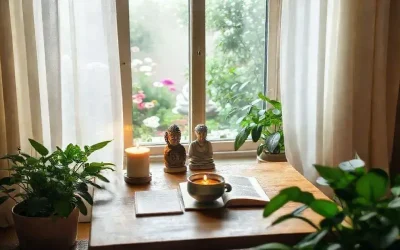
The first step in crafting your ritual is to find a quiet and comfortable space where you feel safe and relaxed. This could be a corner of your home, a garden, or a place of worship. Make sure to eliminate distractions so that you can fully immerse yourself in the experience.
Next, consider incorporating elements that resonate with you personally, such as candles, incense, or calming music. Lighting a candle can symbolize the presence of divine light, while incense can create a serene atmosphere that encourages tranquility and focus.
When it comes to the prayer itself, you can choose traditional prayers that speak to your heart or create personalized affirmations that reflect your own emotions and healing desires. For instance, writing down specific intentions—like “I am healing from past wounds” or “I invite peace into my life”—can help reinforce your focus during the ritual.
As you begin your prayer, take a few deep breaths to center yourself. Allow your mind to settle and be present. Start reciting your chosen prayer or intentions slowly, allowing each word to resonate within you. You might want to repeat the prayer multiple times, letting its meaning sink deep into your heart.
Additionally, you can incorporate meditation or visualization techniques within your ritual. After reciting your prayers, spend a few moments visualizing your healing journey. Picture yourself surrounded by light, feeling the warmth of love and comfort enveloping you, or imagine releasing old pain and inviting peace into your heart.
Finally, conclude your ritual with gratitude. Expressing thanks—whether for the progress you’ve made or for the strength you’ve received—can help solidify the healing energies and intentions you’ve cultivated during the session. This practice of gratitude amplifies positivity and nurtures a mindset of abundance.
Incorporating a personal healing prayer ritual into your life can provide not only comfort but also empowerment. It creates a mindful practice that enhances emotional resilience, nurtures inner peace, and fosters a deeper spiritual connection that can be invaluable on your healing journey.
Sharing Healing Prayers with Others

Sharing healing prayers with others is a beautiful way to cultivate community and support, reinforcing the bonds of love and compassion during difficult times. When we come together to pray, we create a powerful collective energy that can uplift spirits and foster a sense of hope.
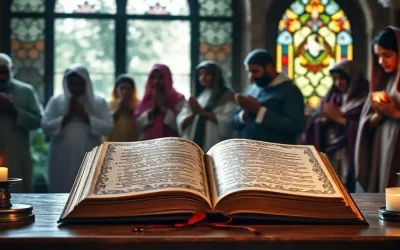
One way to share healing prayers is through group gatherings, whether in person or virtually. Organizing a prayer circle can be a meaningful experience, allowing participants to express their intentions and offer support to one another. This communal aspect enhances the healing process, as each person brings their own energy and intentions, contributing to a collective force of healing.
Another avenue for sharing is through social media or community bulletin boards. Posting a healing prayer can invite others to join in prayer, creating a ripple effect of positivity. It’s an opportunity to connect with friends, family, or even strangers who might be facing similar struggles, reinforcing the idea that they are not alone.
Consider also the impact of sending healing prayers in the form of cards or notes to friends or loved ones who are going through tough times. A simple gesture of sharing a prayer or thoughtful message can offer immense comfort. Personalizing your words can make the prayer feel more intimate and genuine, letting the recipient know that you care deeply about their well-being.
Additionally, many religious and spiritual groups organize special services or events focused on healing prayers. Participating in these events can enhance your sense of belonging and strengthen your faith. Engaging in joint prayers, song, and reflection deepens the spiritual experience and fosters emotional healing.
Finally, don’t underestimate the power of simply discussing prayer with others. Sharing personal experiences of how prayer has helped you can encourage friends and family to explore their own spiritual practices. Creating an open dialogue about the significance of healing prayers can empower others to embrace their own healing journeys.
In essence, sharing healing prayers not only amplifies their impact but fosters connections built on love, support, and community. Whether through organized groups, social platforms, or personal messages, the act of praying for one another enriches lives, brightens hearts, and nurtures a collective spirit of healing.
Conclusion
In summary, exploring and practicing traditional prayers for healing serves as a profound way to find comfort in times of distress.
From understanding the power and purpose behind these sacred words to creating personal rituals and sharing them with others, the journey of healing through prayer is both individual and communal.
Each prayer carries the potential to uplift, inspire, and transform lives, whether through physical healing, emotional support, or spiritual connection.
As we embrace these practices, we foster a deeper sense of hope and resilience, reminding ourselves that we are not alone in our struggles.
The collective energy of shared prayers can amplify this healing, nurturing bonds across our communities and within ourselves.
Ultimately, the journey of healing through prayer invites us to embrace compassion, cultivate inner peace, and celebrate the interconnectedness of our human experiences.
FAQ – Questions about Traditional Prayers for Healing
What are traditional prayers for healing?
Traditional prayers for healing are sacred verses or invocations aimed at invoking divine assistance for those suffering from physical or emotional distress.
How can prayer help with emotional healing?
Prayer can foster a sense of connection and support, helping individuals process their emotions and find peace during challenging times.
What are some examples of prayers for physical healing?
Examples include the ‘Healing Prayer of St. Francis’ and ‘Prayer for the Sick,’ which invoke strength and support for those unwell.
How can I create my own healing prayer ritual?
Start by finding a quiet space, using personal items like candles or incense, and creating meaningful prayers or affirmations to focus your intentions.
Why is sharing healing prayers important?
Sharing healing prayers can strengthen community bonds, offer support to others, and amplify the healing energy through collective intention.
Can personal experiences enhance the power of prayer?
Absolutely! Sharing personal stories about how prayer has helped can inspire others and create deeper connections around healing practices.