Contents
- 0.1 Guided prayers for stress relief and clarity are effective practices that help individuals manage their emotions and foster peace during challenging times.
- 0.2 By incorporating structured prayer into daily routines, individuals can experience healing and renewal, enhancing their mental well-being and deepening their connection with themselves and the world around them.
- 1 The Importance of Prayer for Stress Relief
- 2 How Guided Prayers Provide Clarity
- 3 Top 6 Guided Prayers for Finding Peace
- 4 Incorporating Prayer into Your Daily Routine
- 5 Personal Stories of Transformation Through Prayer
- 6 Tips for Effective Guided Prayer Sessions
- 7 Conclusion
- 8 Frequently Asked Questions about Guided Prayers
Guided prayers for stress relief and clarity are effective practices that help individuals manage their emotions and foster peace during challenging times.
By incorporating structured prayer into daily routines, individuals can experience healing and renewal, enhancing their mental well-being and deepening their connection with themselves and the world around them.
Guided prayers for stress relief and clarity serve as a beautiful way to reconnect with our inner selves, especially in turbulent times.
Life can throw countless challenges our way—whether it’s a tough day at work, personal struggles, or overwhelming responsibilities.
These guided prayers are designed to help you navigate through the storm, bringing a sense of calm and understanding to your mind and heart.
In this article, we’ll dive into how focused prayer can change your perspective, offering practical tools to help you find peace and clarity.
The Importance of Prayer for Stress Relief
The importance of prayer for stress relief cannot be overstated. When life gets overwhelming, turning to prayer offers a refuge—a moment to pause and regroup. Think of prayer as a conversation with the universe or a higher power, allowing you to express your worries and uncertainties. It’s like venting to a good friend who’s always there to listen.
One of the beautiful aspects of prayer is that it provides a safe space for vulnerability. You can openly discuss your fears, share what’s weighing on your heart, and even seek guidance on how to move forward. This act of letting go—of releasing your burdens—can pave the way for healing and clarity.
Researchers have found that engaging in prayer can reduce levels of cortisol, the stress hormone, which means praying not only nurtures your spirit but also benefits your physical health. Those moments of reflection can slow your heart rate, ease anxious thoughts, and promote a sense of tranquility. It’s like giving your mind a break from the chaos of the world around you.
Consider this: when you’re in prayer, you’re also practicing mindfulness. You focus on your thoughts and feelings in the present moment, without judgment. This awareness can shift your perspective, enabling you to approach challenges with a clearer, more peaceful mindset.
So, whether you’re seeking solace during moments of anxiety or looking to cultivate peace in your life, prayer serves as a powerful tool in your wellness toolkit. It reminds us that we’re not alone and provides a gentle nudge toward resilience and clarity.
How Guided Prayers Provide Clarity

How guided prayers provide clarity is a fascinating topic, as these structured methods of prayer are designed specifically to help us navigate our thoughts and emotions. In moments of uncertainty, guided prayers channel our focus, allowing us to move away from overwhelming feelings and toward a more centered state of being.
Think of guided prayers as a roadmap for your mind. When you’re stressed, your thoughts can become scattered, jumping from one worry to another. Guided prayers offer a step-by-step approach, often incorporating specific intentions and themes that encourage deep reflection. This structured format can help you unpack complexities in your life, promoting clarity in areas that may feel clouded.
With guided prayers, you’re often prompted to explore your feelings rather than ignore them. This can lead to surprising insights. For instance, while praying for peace, you might discover that your stress stems from a specific relationship or a work situation needing attention. This revelation is like a light bulb going off; it helps you see what you need to address, rather than simply pushing the feelings away.
Furthermore, guided prayers frequently include elements of gratitude and forgiveness, which can recalibrate your mindset and enhance mental clarity. By reflecting on what you’re thankful for, you shift your energy away from negativity and towards abundance. Similarly, inviting forgiveness into your prayers helps release pent-up emotions, which may cloud your judgment and judgmental thoughts.
When you engage in guided prayers consistently, you start building a toolkit of coping mechanisms. Over time, you’ll notice that you can approach difficult situations more calmly and rationally. Clarity doesn’t come overnight, but with practice, guided prayers can become a vital part of your journey toward a clearer, more centered self.
Top 6 Guided Prayers for Finding Peace
Top 6 guided prayers for finding peace are powerful tools that can bring calm and stillness to your mind amidst chaos. Here’s a closer look at six impactful prayers you can incorporate into your daily routine:
- The Serenity Prayer: This classic prayer emphasizes acceptance, courage, and wisdom. It’s perfect for moments when you seek inner tranquility while facing life’s challenges.
- The Prayer for Peace: A simple yet profound prayer asking for peace within yourself and in the world around you. This prayer can help you let go of anxieties and embrace a more harmonious outlook.
- The Breath of Peace Prayer: Focus on your breath while reciting this prayer, allowing each inhalation and exhalation to center you. This practice calms the nervous system and brings you back to the present moment.
- The Prayer of Trust: Express your trust in a higher power to manage your worries. This prayer encourages you to let go of control, fostering a deep sense of peace as you release burdens.
- The Gratitude Prayer: Take a moment to express gratitude for the blessings in your life. Focusing on what you appreciate can shift your mindset from stress to serenity, making space for peace to flourish.
- The Prayer for Clarity: Ask for clarity in your thoughts and emotions as you move through challenging moments. This prayer helps you articulate your feelings, paving the way for understanding and calm.
Incorporating these guided prayers into your routine—whether through morning meditation, evening reflections, or moments sprinkled throughout your day—can foster a deep sense of peace. Remember, taking just a few minutes to connect with these prayers can truly transform your mindset and bring tranquility into your life.
Incorporating Prayer into Your Daily Routine

Incorporating prayer into your daily routine can be a transformative practice that helps you stay grounded and centered amid life’s ups and downs. The key is to find a rhythm that resonates with you, turning prayer from a sporadic event into a regular source of support and peace.
Start by setting aside specific times each day for your prayer practice. Some people find mornings the most fruitful time, providing a serene start to the day. Others may prefer taking a moment during lunch or in the evening to reflect and unwind. Whichever works for you, creating a consistent routine is essential.
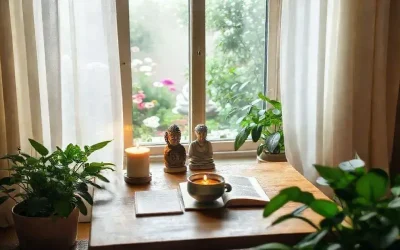
Next, consider your environment. Designate a special space for prayer—this could be a quiet corner in your home, a comfy chair, or even a spot in nature. A dedicated area makes it easier to shift your mindset to one of reflection and tranquility. You might also personalize this space with items that inspire you, such as candles, crystals, or meaningful photographs.
Additionally, tools can enhance your prayer experience. Consider using a prayer journal to document your feelings and progress over time. Writing down your prayers can provide clarity and allow you to track moments of personal growth. You might also explore guided prayer apps or recordings if you prefer a more structured approach. These resources can introduce you to new prayers and keep your practice fresh.
Another effective tip is to integrate prayer into daily activities. You can pray while on a walk, during your commute, or even while you’re cooking. This way, prayer becomes a seamless part of your life rather than a separate task. You can also involve family or friends—creating a prayer circle can foster connection and shared experience.
Ultimately, the goal is to make prayer a natural and cherished part of your day. With time and consistency, you’ll likely find that this practice leads to greater peace, clarity, and resilience, allowing you to navigate life’s challenges with grace.
Personal Stories of Transformation Through Prayer
Personal stories of transformation through prayer highlight the profound impact that consistent prayer can have on individuals. These narratives show how prayer has not only brought peace but also clarity and purpose in times of distress. Here are a few inspiring stories that illustrate the transformative power of prayer:
Maria’s Journey to Healing: After facing a difficult divorce, Maria felt lost and overwhelmed. She began incorporating daily guided prayers into her routine, focusing specifically on healing and self-acceptance. Over time, she noticed a shift in her mindset; her once heavy heart lightened, and she gained the strength to rebuild her life. Maria reflects, “Prayer was my lifeline, guiding me towards forgiveness—first for myself, and then for others. It transformed my pain into a journey of self-discovery.”
James’s Search for Peace: Military veteran James struggled with anxiety and PTSD after returning home. Feeling isolated, he began engaging in nightly prayers, seeking peace and calm. Guided prayers focusing on gratitude helped him recognize the blessings in his life despite the hardships he faced. He shares, “Prayer became my anchor during the storms of my mind. It reminded me that I could find peace within, even when the world felt chaotic.”
Emily and the Power of Community: Emily found herself battling chronic illness, which often left her feeling defeated and alone. After joining a prayer group at her local church, she discovered the strength of collective prayer. The support, insight, and love she received from others encouraged her to keep fighting. According to Emily, “Sharing my struggles in prayer brought profound healing. Not only did I find clarity about my next steps, but I also felt surrounded by love and support. It was life-changing.”
Steven’s Journey to Clarity: Stuck in a job that felt unfulfilling, Steven turned to prayer for direction. After spending weeks praying for guidance and clarity, he experienced a powerful moment of enlightenment—he realized he wasn’t following his passion. This led him to pursue a career in art, where he now feels fulfilled and alive. Steven states, “Prayer opened my heart and mind to what truly matters to me. It led me to rediscover my creativity and purpose.”
These stories exemplify how prayer can be a catalyst for transformation. Whether through healing, seeking peace, community support, or clarity in purpose, the personal experiences shared remind us of prayer’s potential to influence our journeys profoundly.
Tips for Effective Guided Prayer Sessions

Tips for effective guided prayer sessions can significantly enhance your experience and deepen your connection during prayer. Here are some practical strategies to make the most of your guided prayer practice:
1. Create a Sacred Space: Designate a quiet area free from distractions for your prayer sessions. Personalize this space with items that inspire you, such as candles, photographs, or meaningful quotes. A dedicated space can help signal to your mind that it’s time to connect spiritually.
2. Choose the Right Time: Find a time that works best for you when you can dedicate yourself to prayer without interruptions. Whether it’s first thing in the morning or just before bed, consistency helps create a routine that aligns with your spiritual journey.
3. Start with Intention: Before diving into your guided prayer, take a moment to set an intention. What do you want to focus on during this session? It could be healing, clarity, peace, or gratitude. Setting an intention creates a roadmap for your mind and heart to follow.
4. Utilize Resources: Don’t hesitate to use apps, recordings, or books that feature guided prayers. These resources can provide structure and introduce new prayers that you may not have encountered before, keeping your practice fresh and engaging.
5. Engage Fully: Immerse yourself in the prayer. Close your eyes, breathe deeply, and visualize the words as you recite them. Allow yourself to feel the emotions associated with the prayer. Engaging fully can enhance your connection and overall experience.
6. Reflect Afterwards: Take a few minutes after your session to reflect on your experience. Consider journaling about your feelings, insights, or any changes you’ve noticed since beginning your guided prayers. This practice of reflection can help solidify the lessons learned and deepen your understanding.
7. Be Patient: Transformation through prayer takes time. Don’t rush the process or expect instant results. Trust in your journey and the unfolding of clarity and peace as you continue to practice regularly.
Incorporating these tips into your guided prayer sessions can help create a more enriching and effective spiritual experience, allowing you to unlock deeper layers of peace and understanding in your life.
Conclusion
In conclusion, guided prayers for stress relief and clarity offer a powerful avenue for transforming your mental and emotional well-being.
By understanding the importance of prayer and how guided sessions can provide clarity, you can cultivate peace in your life amidst turmoil.
Incorporating these practices into your daily routine, along with uplifting personal stories and effective tips, enhances your ability to navigate challenges with grace.
Remember, the journey through prayer is deeply personal, and each session is an opportunity to discover more about yourself and your relationship with the world.
As you engage with guided prayers, embrace the process, be patient with yourself, and allow the strength of this practice to unfold as you move toward a life filled with serenity and understanding.
Ultimately, you have the power to create a spiritual toolbox that supports your journey, bringing peace and clarity into even the most chaotic moments.
Frequently Asked Questions about Guided Prayers
What are guided prayers?
Guided prayers are structured prayers that provide specific themes or intentions to help focus your thoughts and emotions during prayer.
How can guided prayers help with stress relief?
Guided prayers promote mindfulness and reflection, allowing individuals to release their worries, gain clarity, and cultivate a sense of inner peace.
What is the best time to participate in guided prayer?
The best time varies for each person. However, setting aside consistent times—such as in the morning or before bed—can help integrate prayer into your daily routine.
Do I need to use specific resources for guided prayers?
While specific resources like prayer apps or recordings can enhance your experience, you can also create your own guided prayers based on your personal intentions and feelings.
How should I prepare for a guided prayer session?
Preparation includes creating a quiet, dedicated space, setting a clear intention for your prayer, and engaging fully in the experience by being present.
Can anyone practice guided prayers?
Yes, anyone can practice guided prayers regardless of their religious background or beliefs. The focus is on personal connection and reflection, making it accessible to everyone.