Contents
- 0.1 Guided prayers are structured spiritual practices that help individuals achieve inner peace and foster spiritual growth.
- 0.2 They offer numerous benefits, including stress relief, enhanced clarity, and a stronger connection to one’s spirituality.
- 0.3 To effectively incorporate guided prayers into daily life, it is essential to prepare adequately, choose appropriate prayers, and establish a regular practice. By doing so, practitioners can experience a more tranquil and fulfilling life.
- 1 Understanding Guided Prayers
- 2 Benefits of Using Guided Prayers
- 3 Preparing for Your Guided Prayer Session
- 4 Finding the Right Guided Prayer
- 5 Practicing Guided Prayers Daily
- 6 Integrating Guided Prayers into Your Routine
- 7 Conclusion
- 8 FAQ – Guided Prayers for Inner Calm
Guided prayers are structured spiritual practices that help individuals achieve inner peace and foster spiritual growth.
They offer numerous benefits, including stress relief, enhanced clarity, and a stronger connection to one’s spirituality.
To effectively incorporate guided prayers into daily life, it is essential to prepare adequately, choose appropriate prayers, and establish a regular practice. By doing so, practitioners can experience a more tranquil and fulfilling life.
Guided prayers can be a powerful tool for achieving inner calm and tranquility in your life.
As we navigate through the chaos of daily responsibilities and stresses, many of us are searching for effective methods to find peace.
Guided prayers offer a unique approach to meditation and mindfulness that can help ease anxiety and promote relaxation.
In this article, we’ll explore how to use guided prayers strategically, the benefits they bring, and practical steps to integrate them into your daily routine to cultivate a sense of serenity.
Understanding Guided Prayers
Understanding Guided Prayers is essential for anyone looking to enhance their spiritual practice. So, what exactly are guided prayers? Simply put, they are structured prayers that lead you step-by-step through the process of connecting with your inner self and the divine. Unlike traditional prayers, which can be spontaneous and personal, guided prayers provide a framework, helping you focus your thoughts and intentions.
Many people feel overwhelmed when trying to pray on their own, especially when faced with stress or anxiety. Guided prayers can ease this burden by providing clear direction. They’re often accompanied by soothing music or a calming voice, making it easier to relax and open your heart.
The beauty of guided prayers is in their diversity. They can range from short daily affirmations to longer, more complex prayers that delve deeply into your thoughts and feelings. Whether you’re seeking peace, gratitude, or healing, there’s likely a guided prayer that suits your needs. Furthermore, these prayers can be found in various formats—like audio recordings, written scripts, or even apps—making them accessible to everyone.
Ultimately, understanding guided prayers is about recognizing their role in fostering a deeper connection with yourself and a higher power. They offer a supportive way to cultivate spirituality, providing you with both structure and freedom to explore your innermost thoughts.
Benefits of Using Guided Prayers

Benefits of Using Guided Prayers are profound and far-reaching, especially for those seeking inner calm amidst the chaos of everyday life. So, what makes these prayers so beneficial?
First and foremost, guided prayers help to reduce stress and anxiety. When you’re feeling overwhelmed, having a structured process can provide a sense of safety. By following a guided prayer, you allow your mind to focus on positive intentions rather than spiraling into negative thoughts.
Secondly, guided prayers often foster a greater sense of clarity and focus. When your thoughts are scattered, it can be hard to concentrate on what truly matters. Guided prayers help center your mind, encouraging you to focus on specific intentions—whether it’s healing, gratitude, or peace.
Another significant benefit is the creation of routine. By incorporating guided prayers into your daily life, you establish a consistent practice that promotes mindfulness. Just like exercise, consistency is key for seeing results. Whether it’s morning, noon, or night, having a dedicated time for guided prayers can transform your mindset over time.
Additionally, guided prayers can enhance your spiritual connection. For many, prayer is a way to tap into deeper truths and spirituality. Guided prayers aim to facilitate that, allowing for a more profound connection with yourself and the divine. It’s a space for personal reflection and spiritual growth.
Finally, many people find that guided prayers offer a sense of community. When you listen to or participate in guided prayers from various sources, you connect with a larger network of individuals who share similar spiritual journeys. This can foster a sense of belonging, even if practiced in solitude.
In summary, the benefits of using guided prayers span stress reduction, improved focus, established routines, enhanced spiritual connections, and a sense of community—all crucial elements for cultivating inner calm and enriching your life.
Preparing for Your Guided Prayer Session
Preparing for Your Guided Prayer Session is an essential step to ensuring a meaningful and impactful experience. Taking the time to create the right environment and mindset can significantly enhance your connection during the prayer.
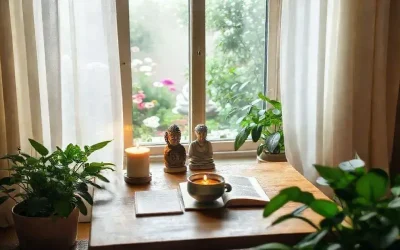
First, choose a quiet and comfortable space where you won’t be disturbed. This could be a cozy corner of your home, a peaceful garden, or anywhere that feels right for you. The key is to find a spot that helps to minimize distractions, allowing you to fully immerse yourself in the moment.
Next, consider setting up your space with a few comfort items. This might include soft cushions, calming scents like essential oils or candles, or even soothing music in the background. These small touches can help create a serene atmosphere that promotes relaxation and openness.
Once your space is ready, take a moment to center yourself. You might do this through deep breathing exercises or a brief meditation. Close your eyes and focus on your breath, inhaling deeply through your nose and exhaling slowly through your mouth. This practice can clear your mind and prepare your heart for the guided experience ahead.
As you prepare, it’s also beneficial to set intentions for your session. Before starting, ask yourself what you hope to achieve—be it inner peace, healing, or deepened connection. Having a clear intention will help guide your focus during the prayer.
Finally, make sure you have your guided prayer material ready. Whether it’s an audio track, a written script, or an app, ensure everything is accessible and functioning properly. This will prevent any interruptions once you’re in the flow of meditation.
By taking these preparatory steps, you’re not just creating a physical space for your guided prayer—you’re also setting the stage for a transformative experience, one that can profoundly impact your inner calm and spiritual journey.
Finding the Right Guided Prayer

Finding the Right Guided Prayer is a crucial part of your spiritual journey. With so many options available, it can feel overwhelming at times. But don’t worry! With a little guidance, you can easily discover the prayers that resonate with you.
First off, consider what specific purpose you have in mind. Are you looking to relieve stress, cultivate gratitude, seek forgiveness, or perhaps promote healing? Identifying your need will help narrow down your options and make your search more focused.
Next, explore various resources. You can find guided prayers through various platforms such as YouTube, meditation apps, podcasts, or websites dedicated to spirituality. Websites like Insight Timer or Calm offer a wide array of options that cater to different needs, so don’t hesitate to browse!
While browsing, it might also be helpful to look for recommendations. Friends, family, or online communities can offer suggestions based on their personal experiences. And hey, reading reviews can also provide insights into how effective a particular prayer has been for others.
Another approach is to sample different styles. Guided prayers come in various formats and voices. Some prayers may be spoken softly with relaxing music, while others might be more assertive or include visualizations. Don’t hesitate to try multiple formats until you find one that genuinely resonates with you.
Also, consider the length of the prayer. If you’re new to this practice, you might start with shorter prayers and gradually work your way up to longer sessions as you become more comfortable. This way, you won’t overwhelm yourself right off the bat.
Lastly, trust your instincts. When you find a guided prayer that truly speaks to you, something just clicks. Pay attention to how you feel during and after the session. Your intuition is a powerful guide when selecting the right prayer for your needs.
In essence, finding the right guided prayer is all about aligning your spiritual intentions with the resources available. With patience and exploration, you’ll discover the prayers that can enhance your journey toward inner calm.
Practicing Guided Prayers Daily
Practicing Guided Prayers Daily can transform your spiritual journey and promote a greater sense of inner calm. However, making it a routine requires some planning and commitment. Here are practical steps to help you incorporate guided prayers into your daily life.
First, choose a consistent time for your prayers. Establishing a set time daily can create a rhythm and make it easier to remember. Whether it’s first thing in the morning, during your lunch break, or right before bed, find a time that fits your schedule and allows for solitude and reflection.
Next, consider creating a dedicated space for your prayer practice. This doesn’t have to be an elaborate setup; just a specific spot where you feel calm and focused. Over time, your mind will associate this space with your guided prayer sessions, making it easier to relax and enter the right headspace.
Start small by practicing for just a few minutes each day. If you’re new to guided prayers, it can be beneficial to begin with shorter sessions and gradually increase the duration as you become more comfortable. This gentle approach helps build the habit without overwhelming you.
Another tip is to vary your prayers. Mixing up different guided prayers keeps your practice fresh and engaging. Explore various themes or intentions—perhaps one day focusing on gratitude, another on healing, and so on. This variety can deepen your spiritual experience.
Moreover, consider keeping a prayer journal. After each session, jot down how you felt, any insights you gained, and your intentions for the day. This practice not only reinforces your commitment but also helps you track your spiritual growth over time.
Finally, remember to be patient with yourself. Building a habit takes time, and it’s okay if some days are harder than others. Stay curious and open during your practice. If you miss a day, simply return to it the next—consistency will build naturally over time.
In summary, by choosing a consistent time, creating a dedicated space, starting small, varying your prayers, keeping a journal, and practicing patience, you can effectively integrate guided prayers into your daily routine, enhancing your journey toward inner calm.
Integrating Guided Prayers into Your Routine

Integrating Guided Prayers into Your Routine can create a harmonious balance in your daily life, enhancing your sense of peace and connection.
Here are some effective strategies to seamlessly weave guided prayers into your existing habits.
First, consider pairing your guided prayer sessions with other daily activities. For instance, you could listen to a guided prayer while making your morning coffee or during your evening wind-down routine. This approach helps create a natural flow without requiring significant time commitment.
Another effective method is to set reminders on your phone or calendar. A gentle nudge at the same time each day can prompt you to pause and engage in your prayer practice, making it less likely for you to forget. Just a simple notification can become a powerful cue for your daily moment of reflection.
If you have a busy schedule, consider using shorter guided prayers throughout the day. This allows you to practice even when time is tight. Aim for a quick five-minute session during lunch breaks or right before you go to bed. Every little bit adds up!
Moreover, you can involve family or friends in your prayer practice. Sharing guided prayers together can enhance the experience and foster a sense of community and support. Whether it’s a family tradition or a regular catch-up with friends, praying together can deepen your connections and enrich your spiritual journey.
Creating themed days can also make your routine more engaging. Designate specific intentions for each day—like ‘Mindfulness Monday’ or ‘Thankful Thursday.’ This approach not only adds structure but can also keep your practice more dynamic and exciting.
Lastly, periodically reflect on your practice. Take time to assess how integrating guided prayers into your routine has impacted your day-to-day life. Adjust your approach if something doesn’t feel right; flexibility is essential in finding what works best for you.
In summary, by pairing prayers with existing routines, setting reminders, using shorter sessions, involving others, creating themed days, and reflecting on your practice, you can effectively integrate guided prayers into your daily life, leading to a more peaceful and centered existence.
Conclusion
In conclusion, integrating guided prayers into your life offers a profound way to achieve inner calm and connect with your spirituality. By understanding the essence of guided prayers and their many benefits, you can transform stress and anxiety into peace and clarity.
Preparing for your prayer sessions thoughtfully enhances their impact, while finding the right guided prayers ensures you stay aligned with your intentions.
Practicing these prayers daily and integrating them into your routine not only fosters consistency but also deepens the transformative experience. As you journey through this practice, remember that each step contributes to your overall well-being, bringing serenity and mindfulness into your everyday life.
Embrace the path, and allow guided prayers to guide you toward a more peaceful and fulfilled existence.
FAQ – Guided Prayers for Inner Calm
What are guided prayers?
Guided prayers are structured prayers that lead you through connecting with your inner self and the divine, often using soothing audio or visual cues.
How can guided prayers help reduce stress?
By providing a focused framework, guided prayers help center your thoughts, making it easier to manage stress and anxiety.
What is the best time to practice guided prayers?
Choose a time that fits your routine—whether in the morning, during lunch, or before bed, consistency is key.
How can I find the right guided prayer for me?
Consider your specific needs, explore resources like apps or websites, read recommendations, and trust your instincts.
What should I do to prepare for a guided prayer session?
Create a quiet and comfortable space, center yourself, set clear intentions, and gather your prayer materials beforehand.
Can I involve others in my guided prayer practice?
Absolutely! Sharing guided prayers with family or friends can deepen your experience and foster a supportive community.